As America celebrates 250 years, Maryland is honoring the manufacturers, makers, and innovators who have helped shape our state’s economy, communities, and future.
From early ironworks and shipbuilding to food production, aerospace, biotechnology, advanced materials, and modern manufacturing, Maryland’s manufacturing legacy is built on resilience, innovation, and people who know how to make things that matter.
Maryland’s Role in America’s Manufacturing Story
Manufacturing has helped define America for 250 years—and Maryland has been part of that story since the very beginning.
From Revolutionary-era ironworks and Baltimore’s world-renowned shipbuilders to iconic food producers, advanced manufacturers, and cutting-edge life sciences companies, Maryland manufacturers have consistently adapted, innovated, and built for the future.
Today, manufacturing remains one of Maryland’s most important industries, supporting thousands of jobs while producing everything from aerospace technologies and medical devices to food products, defense systems, and sustainable solutions.
Manufacturing 250 Podcast Series
Featured Episode: Mid-Atlantic States
🎙️Episode 2 | Maryland, Pennsylvania, New York & New Jersey
Maryland MEP CEO Michael Kelleher joins fellow manufacturing leaders from across the Mid-Atlantic to discuss Maryland’s manufacturing heritage, the industries driving innovation today, and why manufacturing remains essential to America’s future.
Listen to Michael Kelleher’s Featured Interview!

As part of the Manufacturing 250 (MFG250) campaign, the American Manufacturing Communities Collaborative (AMCC) has brought together leaders from Manufacturing Extension Partnership (MEP) Centers across the original thirteen colonies to discuss manufacturing’s role in America’s past—and its future.
Hosted by AMCC Executive Director Matt Bogoshian, the three-part series explores how manufacturing shaped the nation’s founding, strengthened local economies, and continues to drive innovation across the country.
Featured Manufacturers
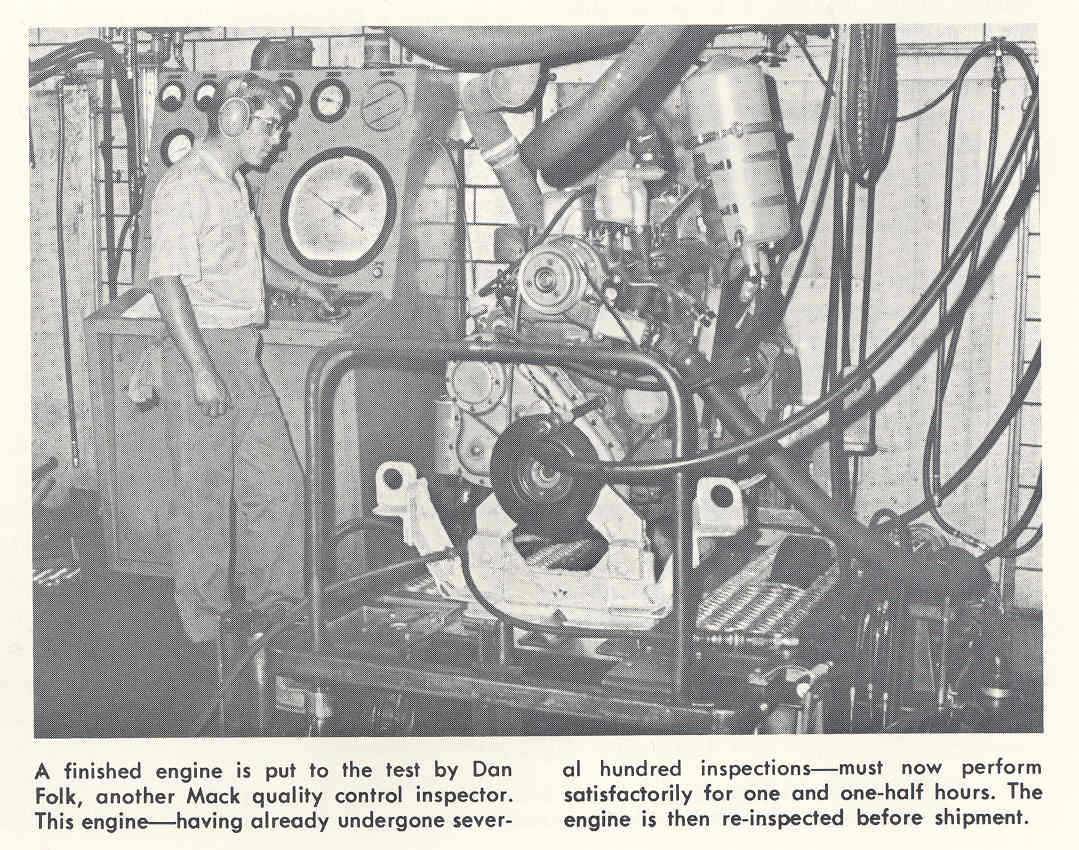
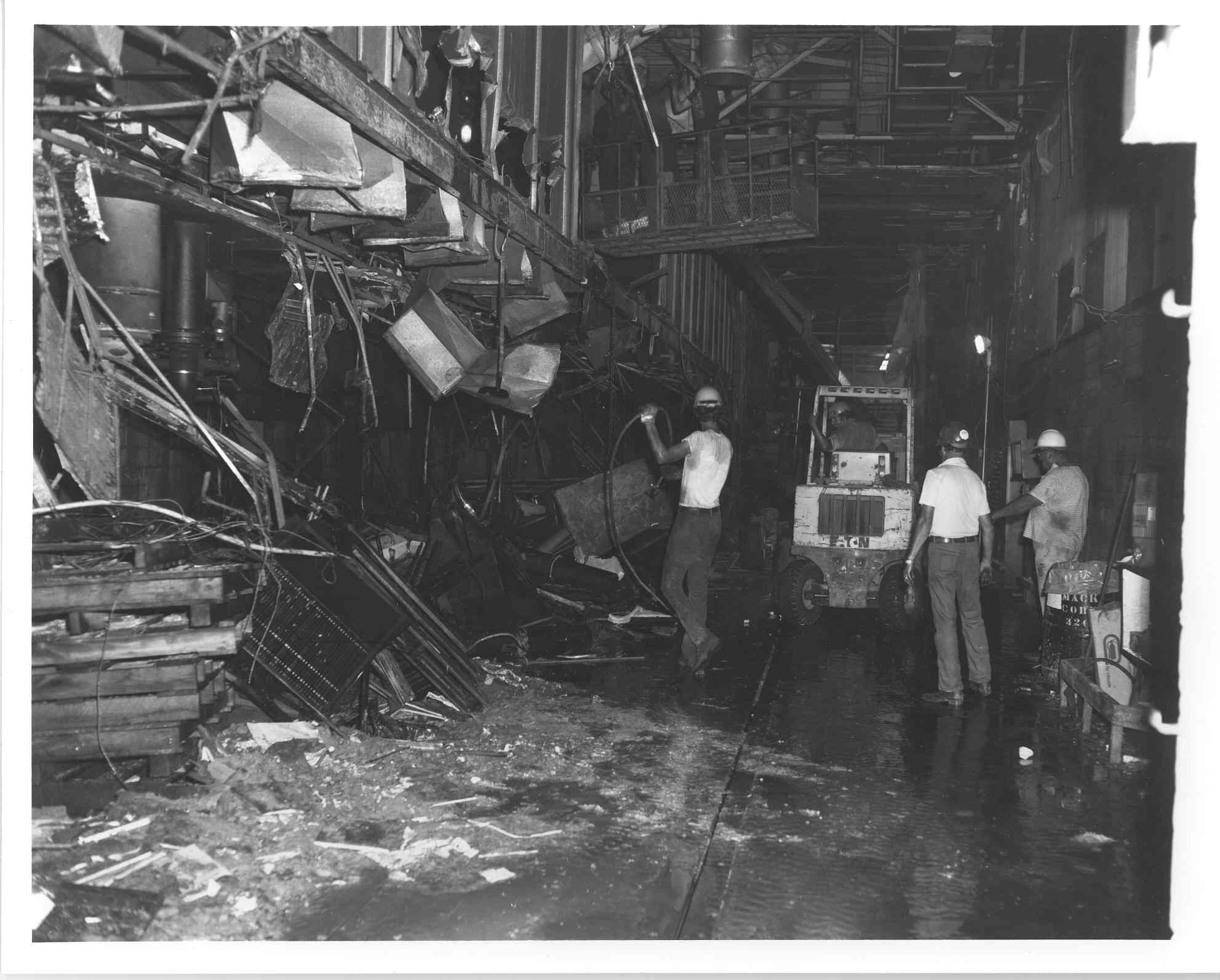
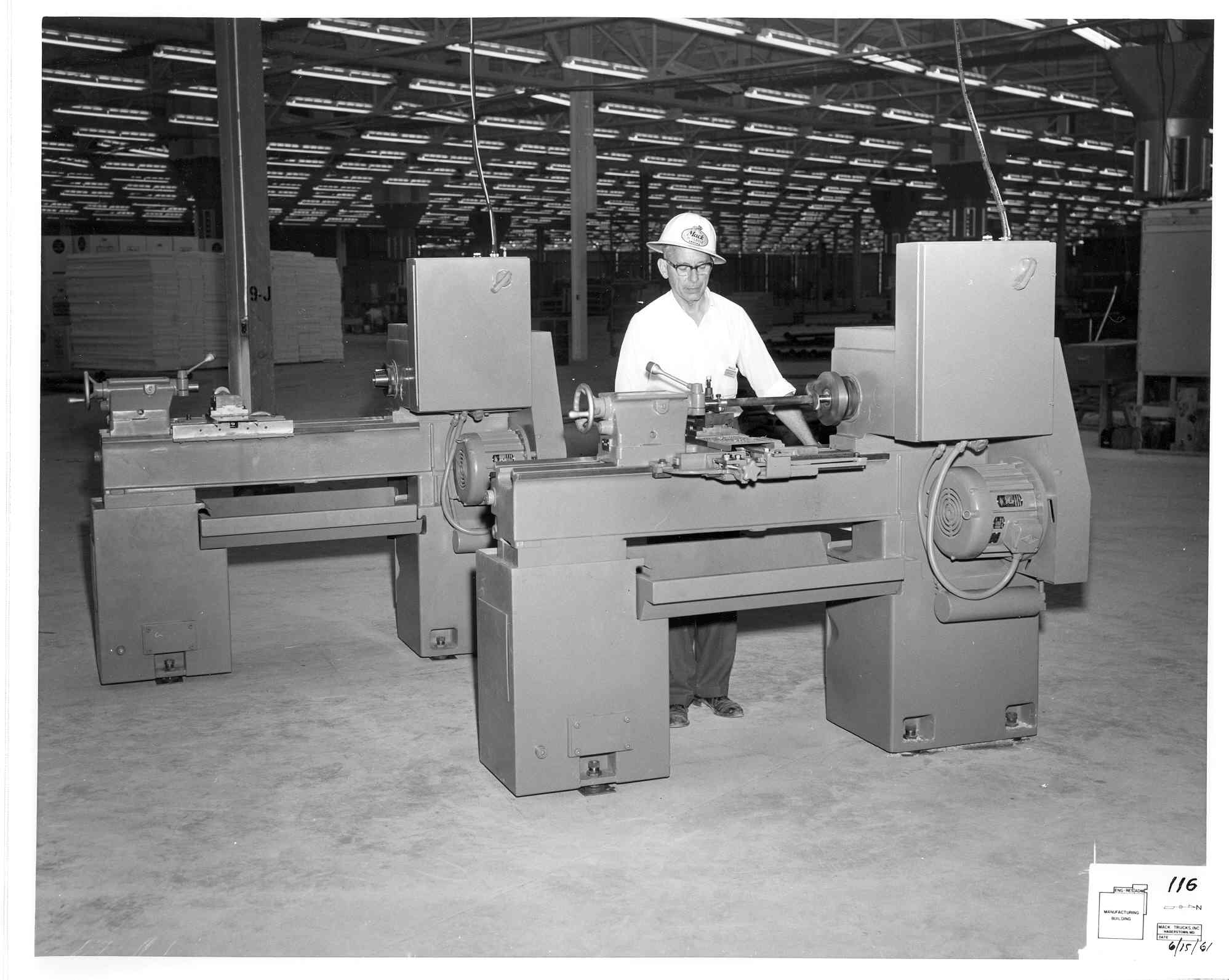
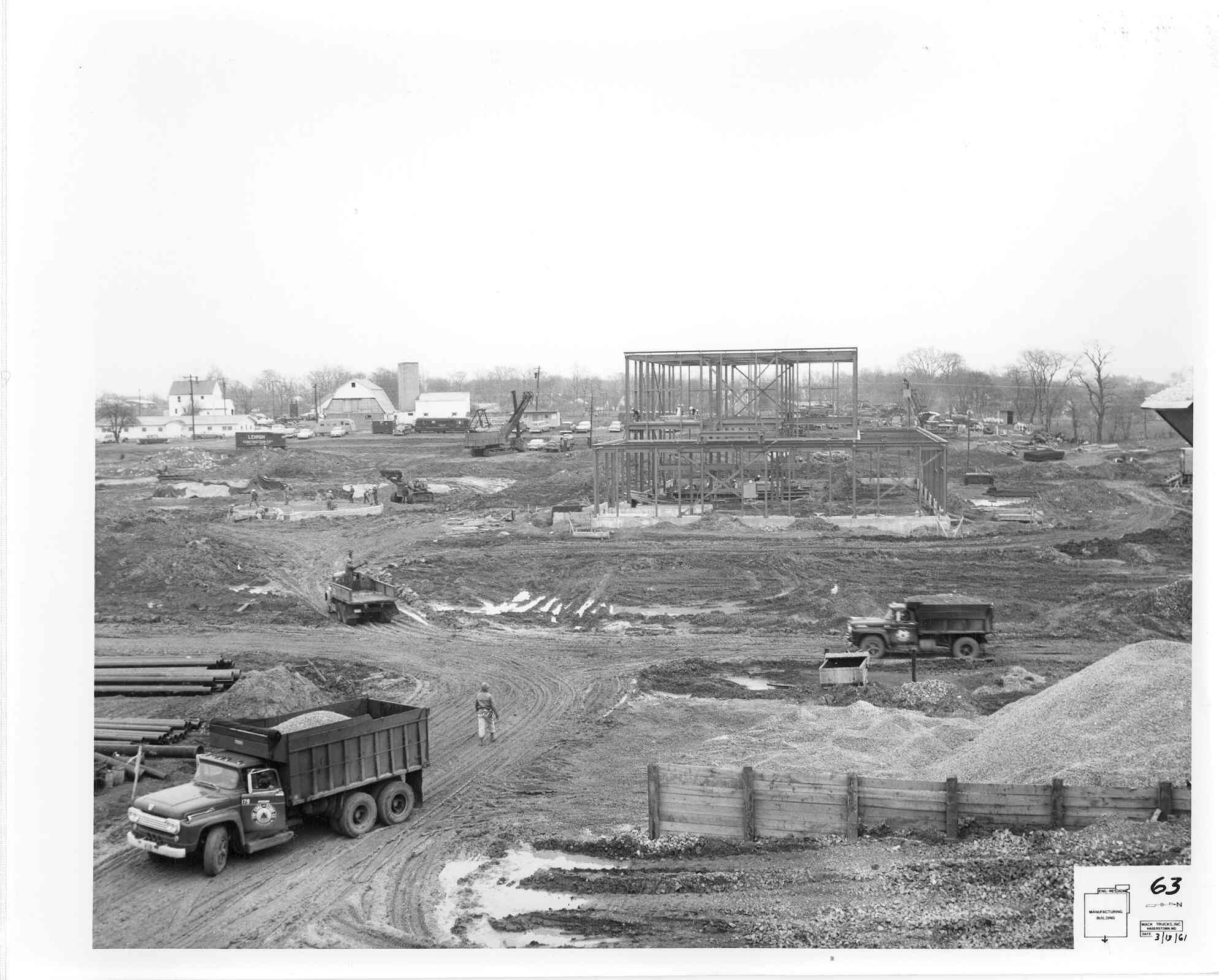
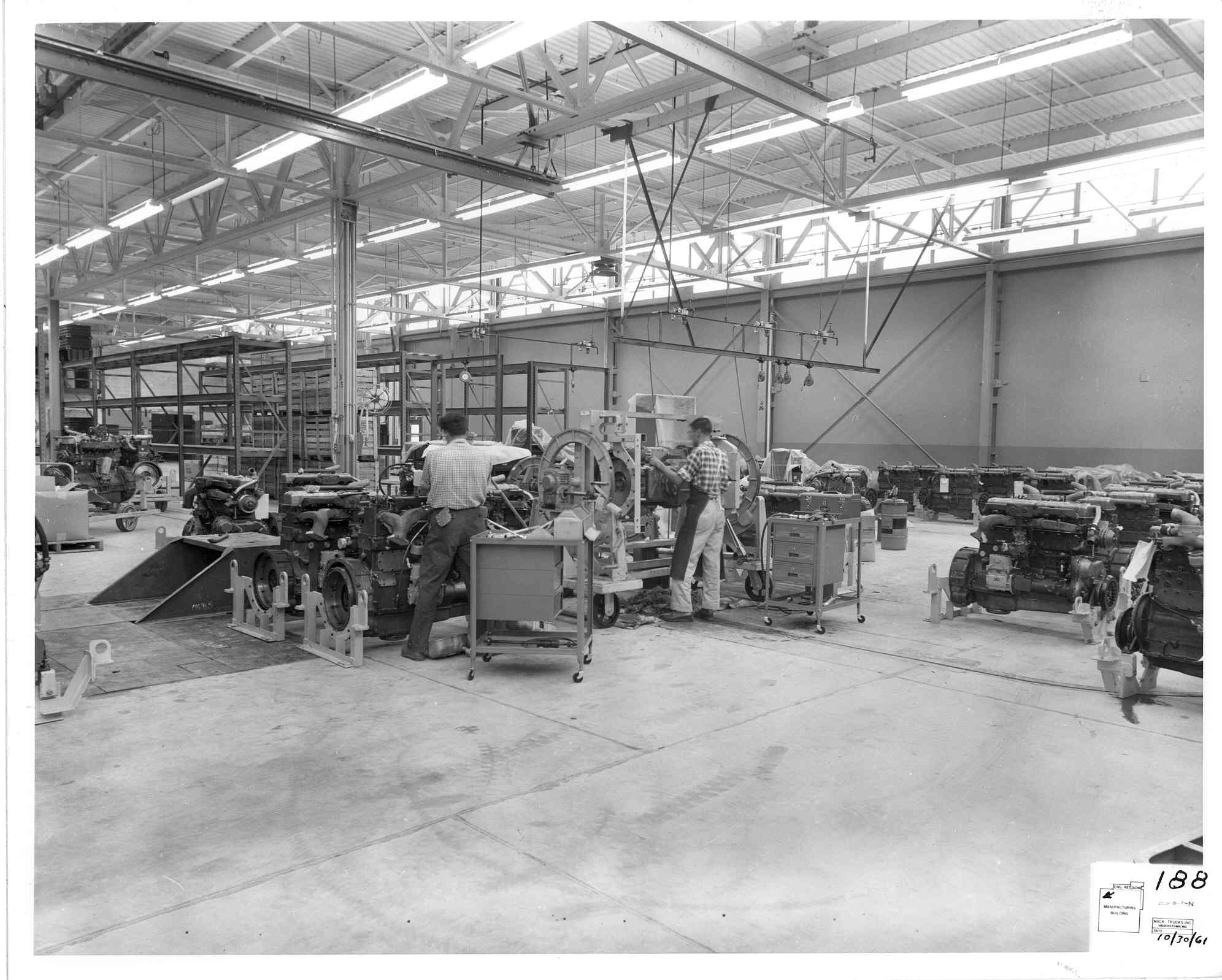
Before the engines, before the assembly lines, and before decades of production, there was a construction site in Hagerstown.
These photos from 1961 capture the early days of Volvo’s Hagerstown facility as it began taking shape. Generations of Maryland workers helped transform an empty field into a manufacturing operation that has contributed to the transportation industry for more than six decades.
As America approaches its 250th anniversary, Maryland manufacturing continues to build on the same foundation: investing in people, embracing innovation, and creating products that move the world forward. While the tools and technologies have evolved, the commitment to quality manufacturing remains.
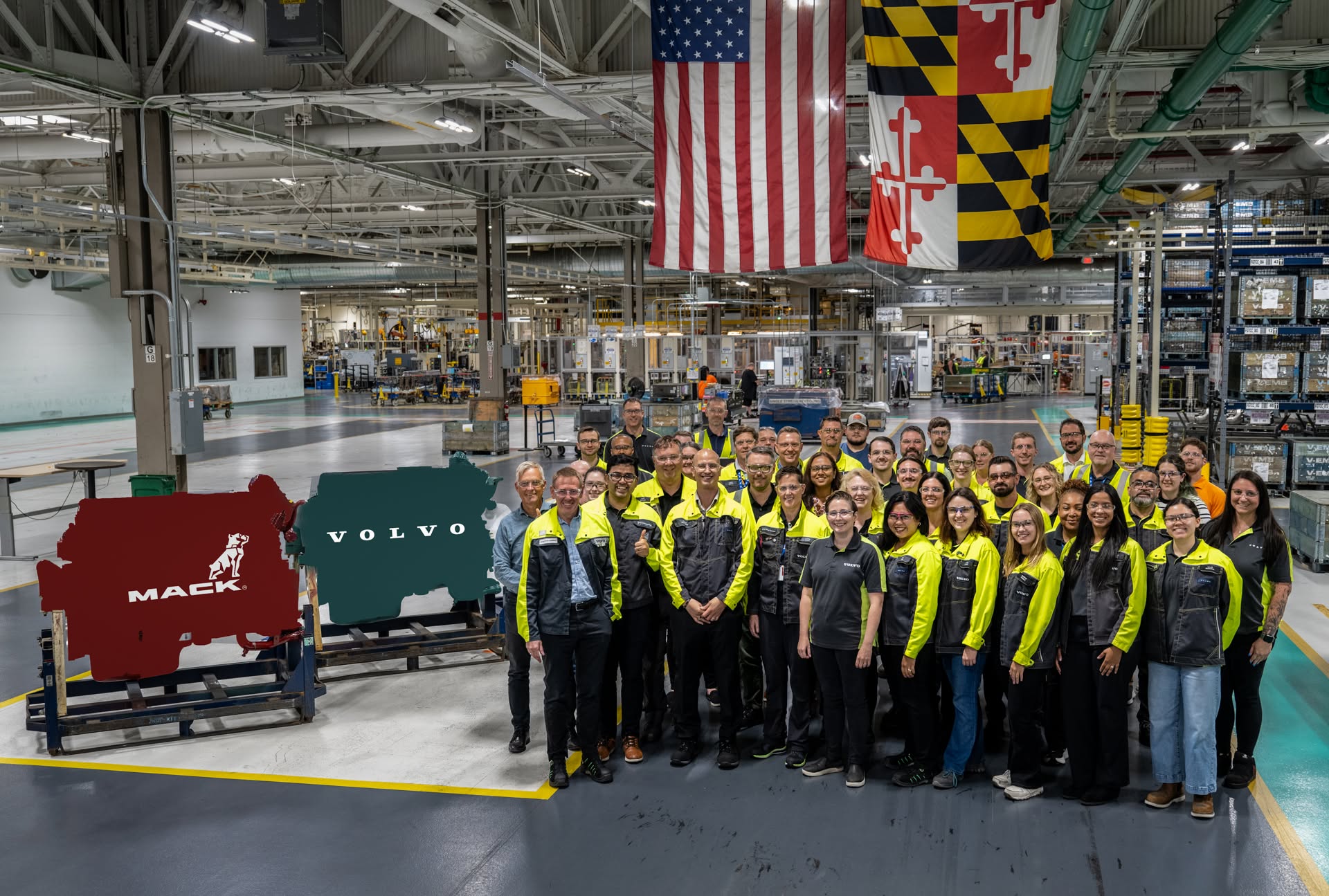
Today, Volvo continues to invest in the people, technologies and innovations that will help shape the future of manufacturing in Maryland.
Here’s to the first 250 years of American manufacturing, and the next 250 years of innovation in Maryland!
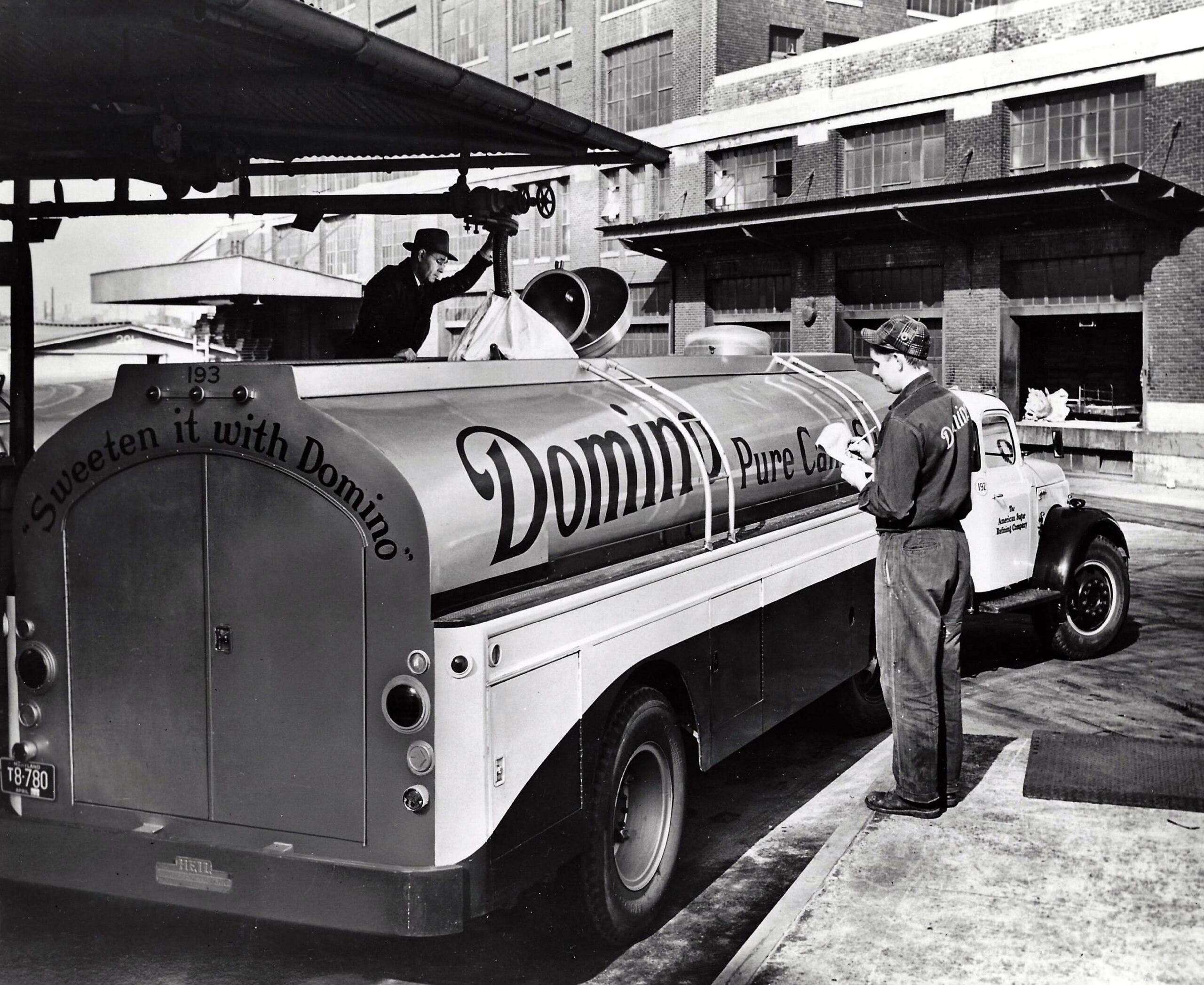
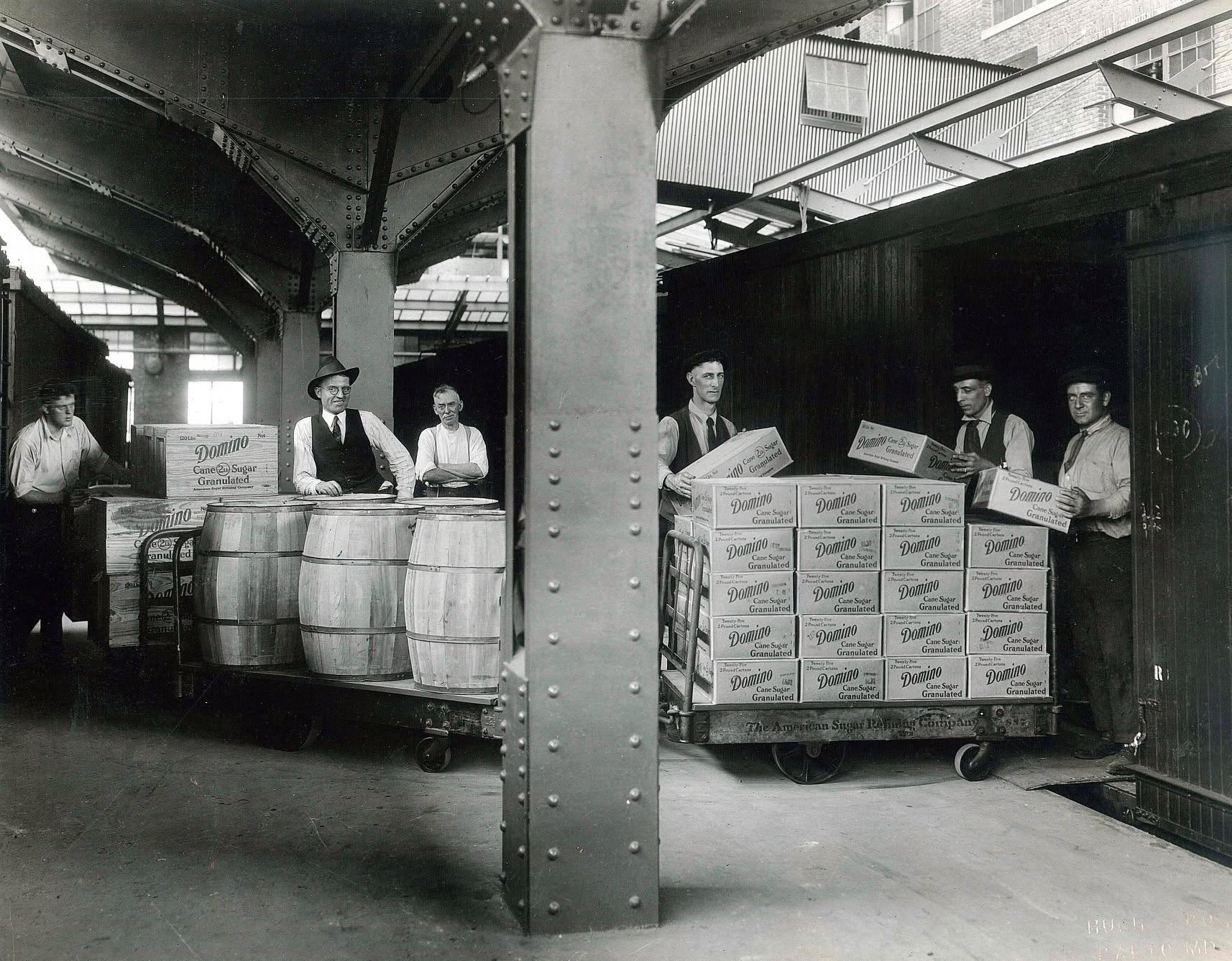
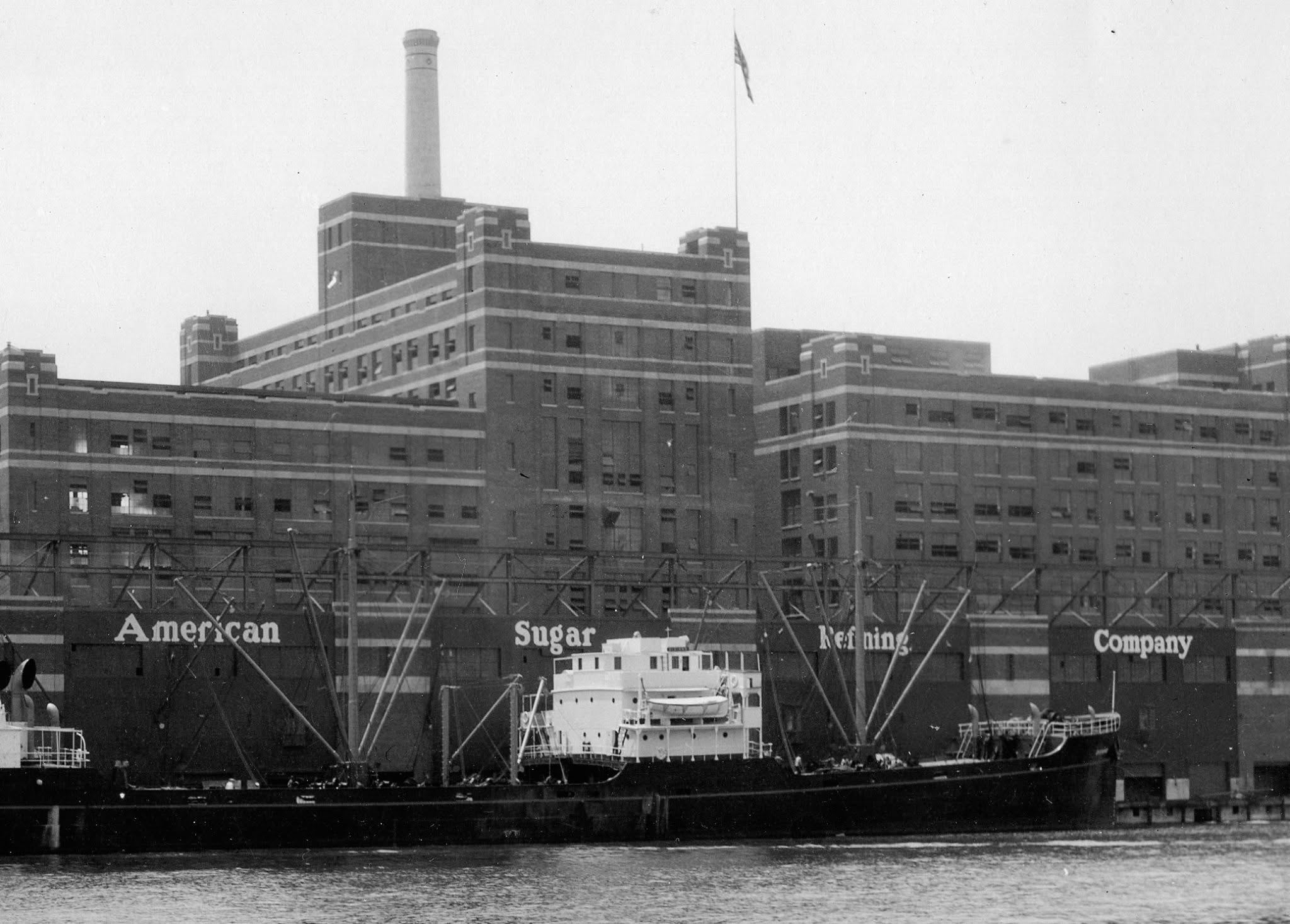
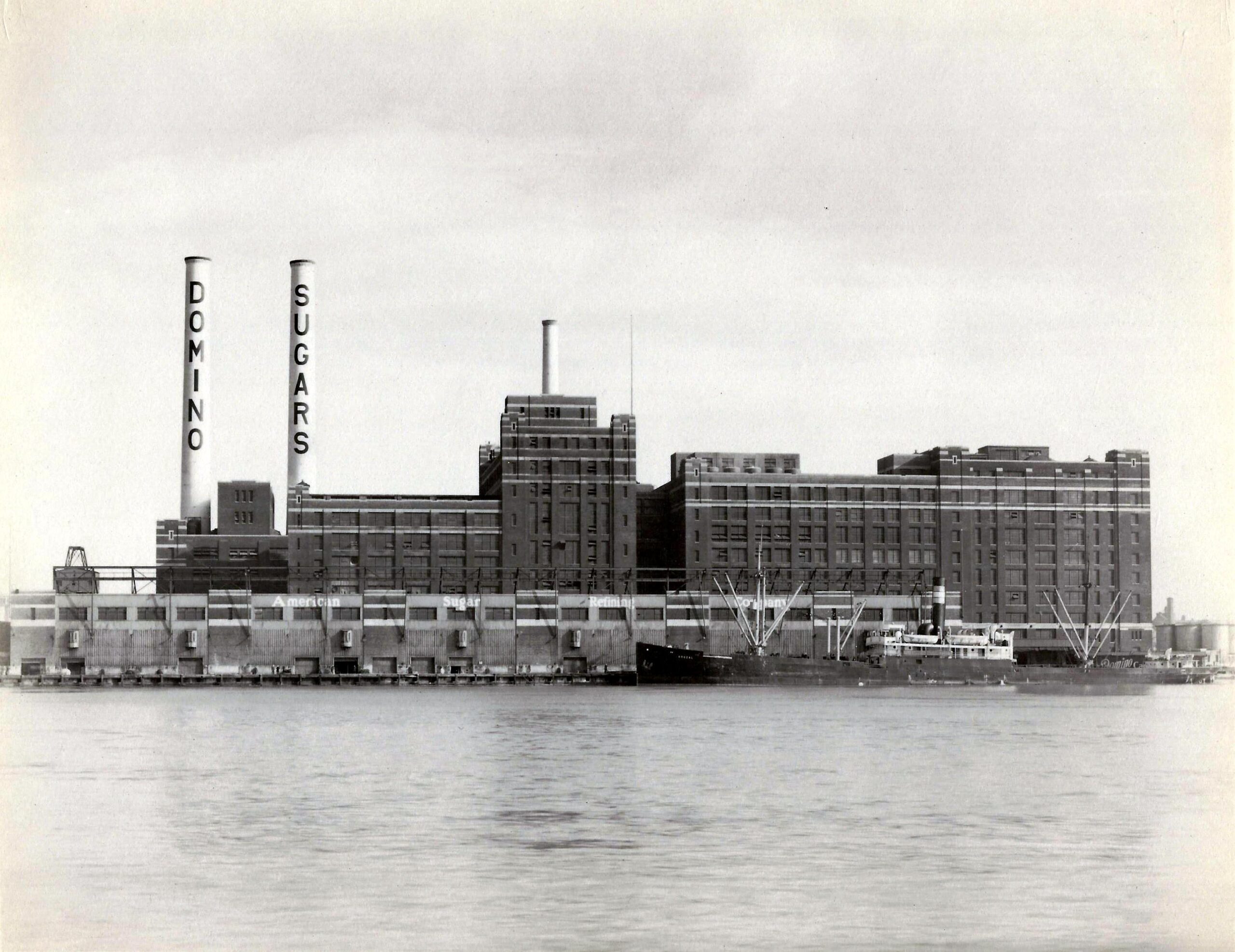
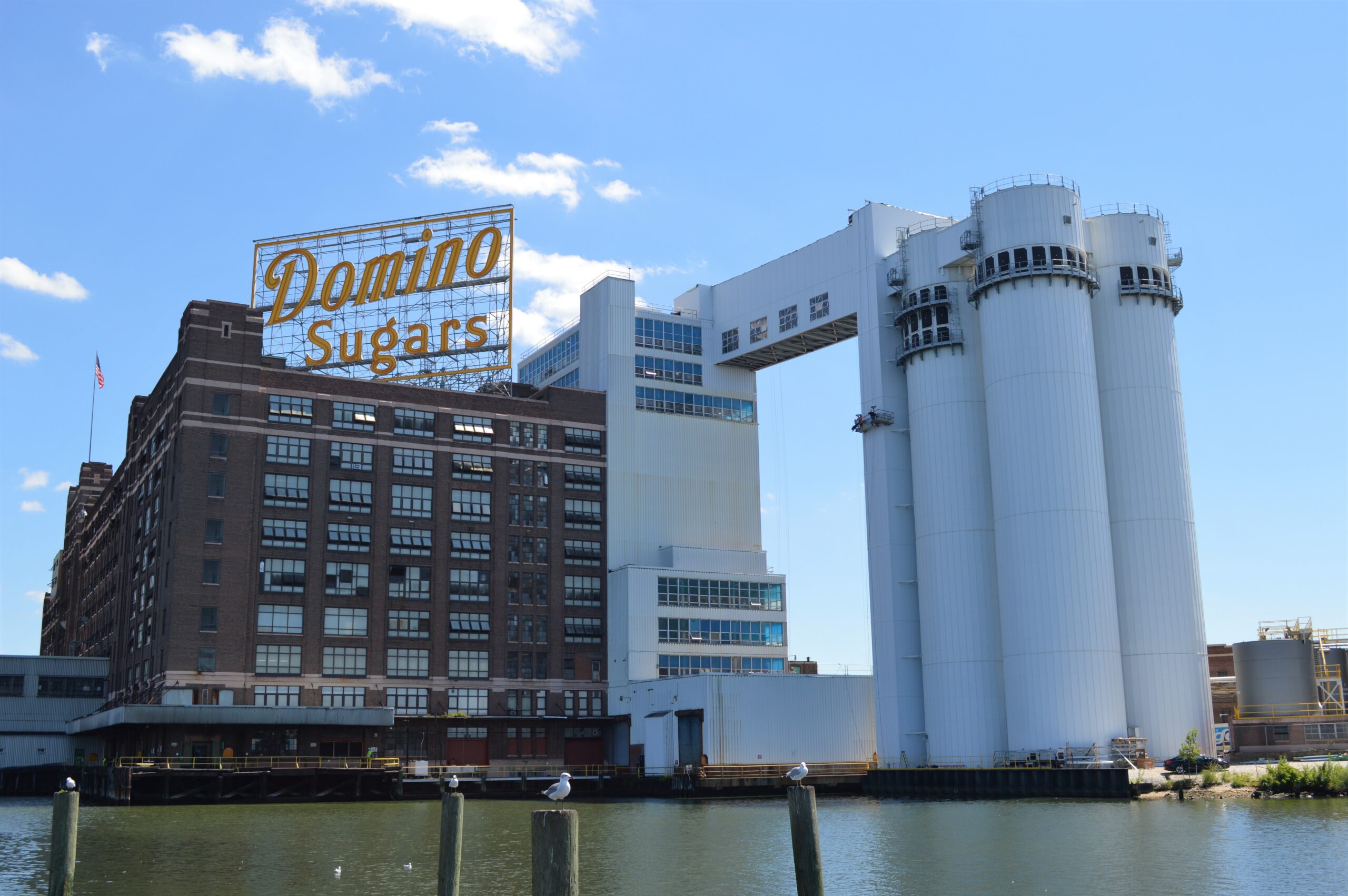
Before the Domino Sugar sign became one of Baltimore’s most recognizable landmarks, Locust Point was the site of an ambitious vision.
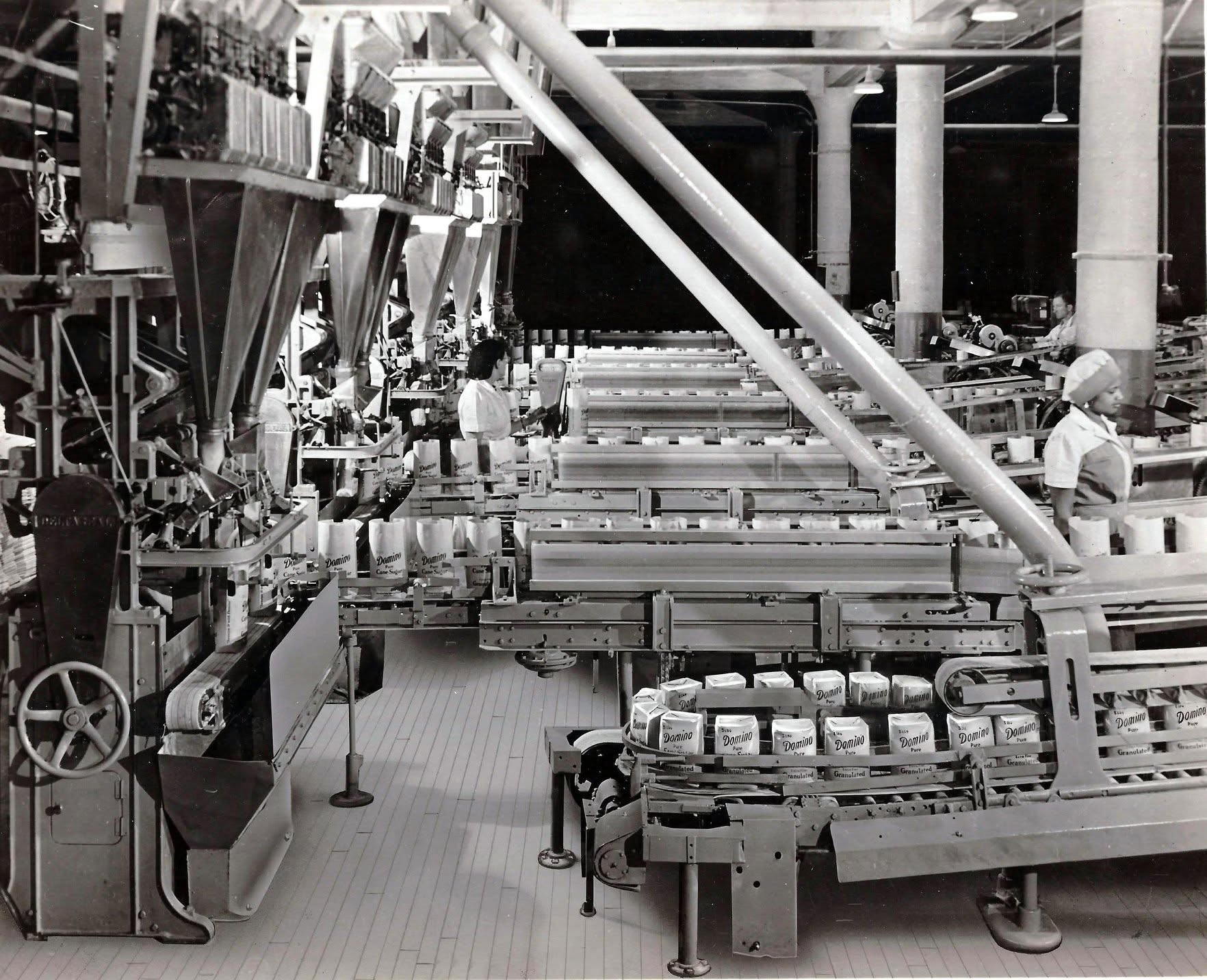
When the American Sugar Refining Company set out to build its newest refinery in 1919, it chose Baltimore for a reason. The city’s deep-water port is the farthest inland on the East Coast, providing ideal access to Midwestern markets, while its extensive rail network and skilled workforce made it the perfect place to build what was envisioned as one of the world’s most modern sugar refineries. Just a few years later, the Baltimore Refinery was producing and shipping sugar across the country, helping reestablish Baltimore as a national leader in sugar production.
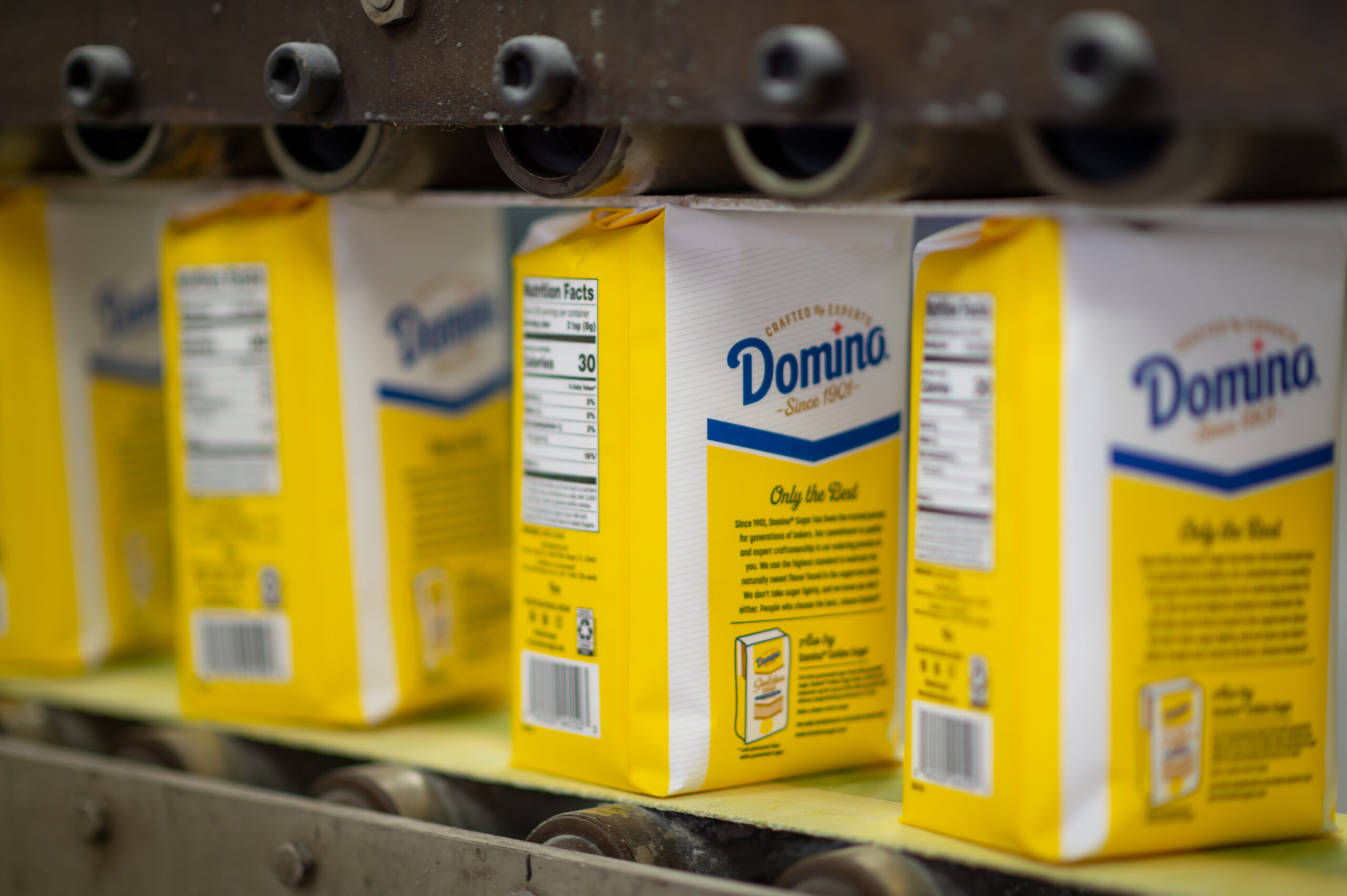
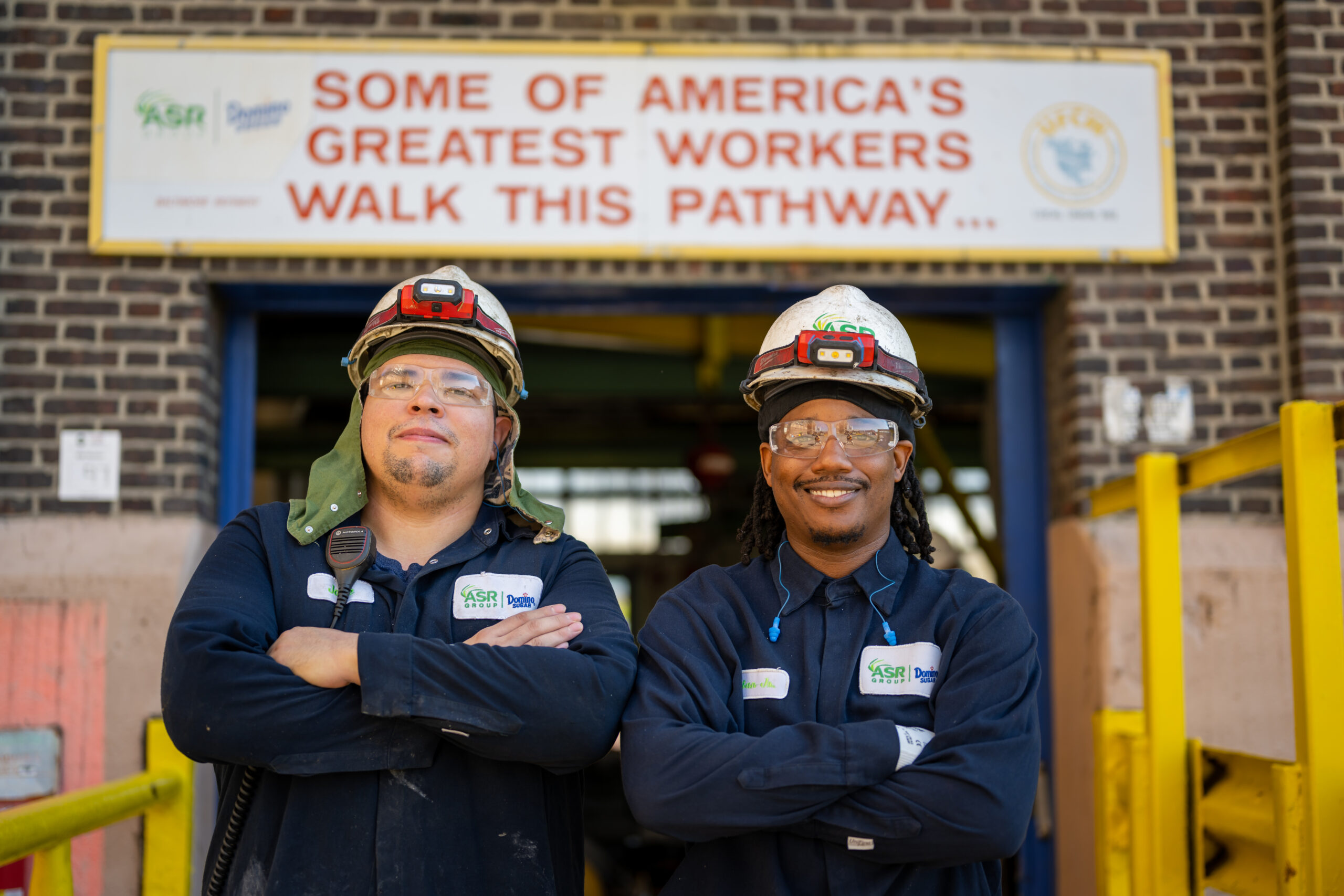
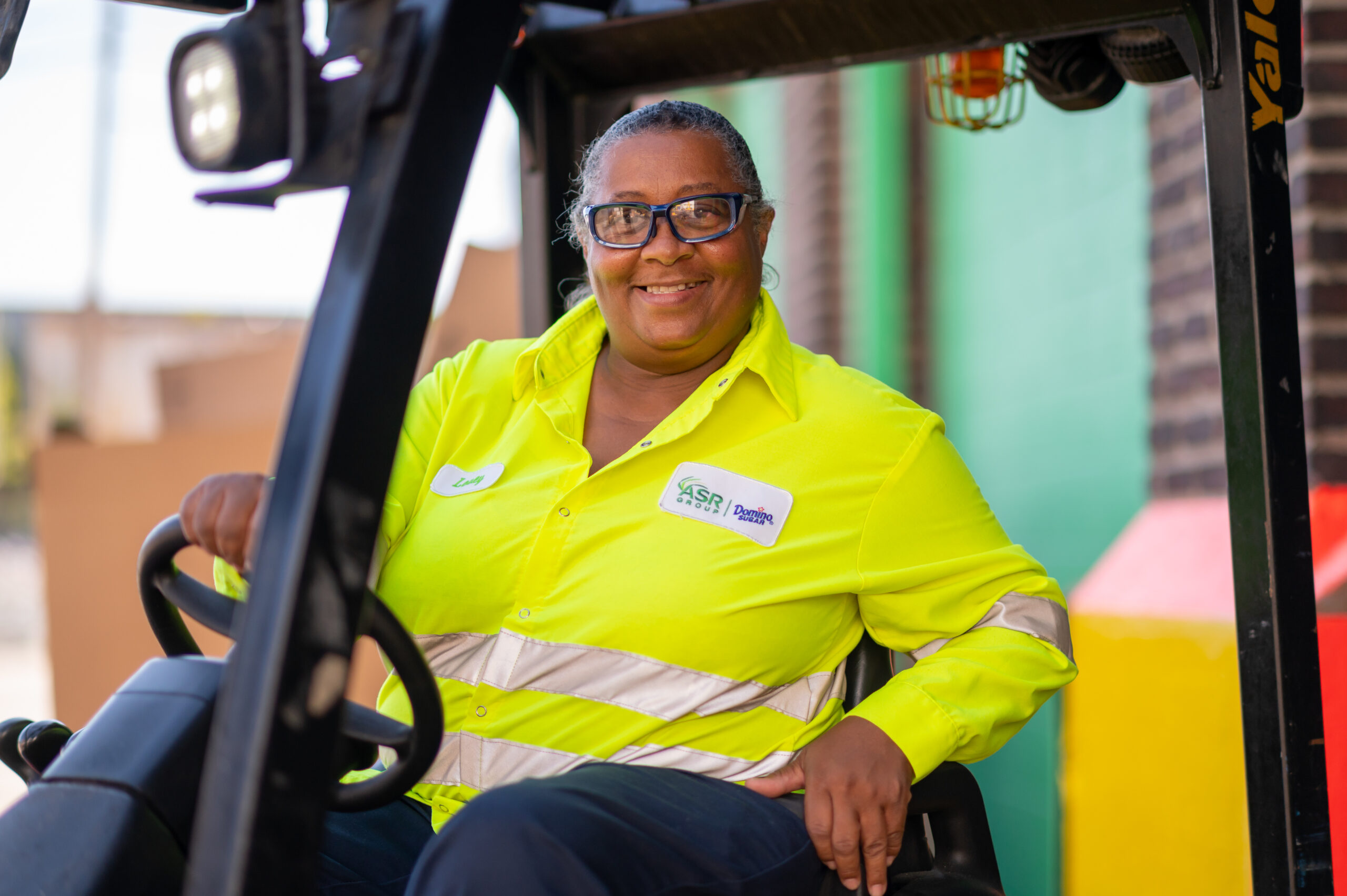
More than a century later, that legacy continues. Today, the Baltimore Refinery is one of the largest cane sugar refineries in North America, producing up to 6 million pounds of sugar each day. More than 40 ships deliver raw sugar to the refinery each year, supporting 600 employees and hundreds of additional jobs throughout the Port of Baltimore and Maryland’s manufacturing economy.
As America celebrates its 250th anniversary, Domino Sugar reminds us that Maryland’s manufacturing story has always been one of innovation, opportunity, and resilience. While the refinery has evolved with new technologies and modern production, its impact on Baltimore, the Port, and the state’s economy remains as significant today as it was more than 100 years ago.
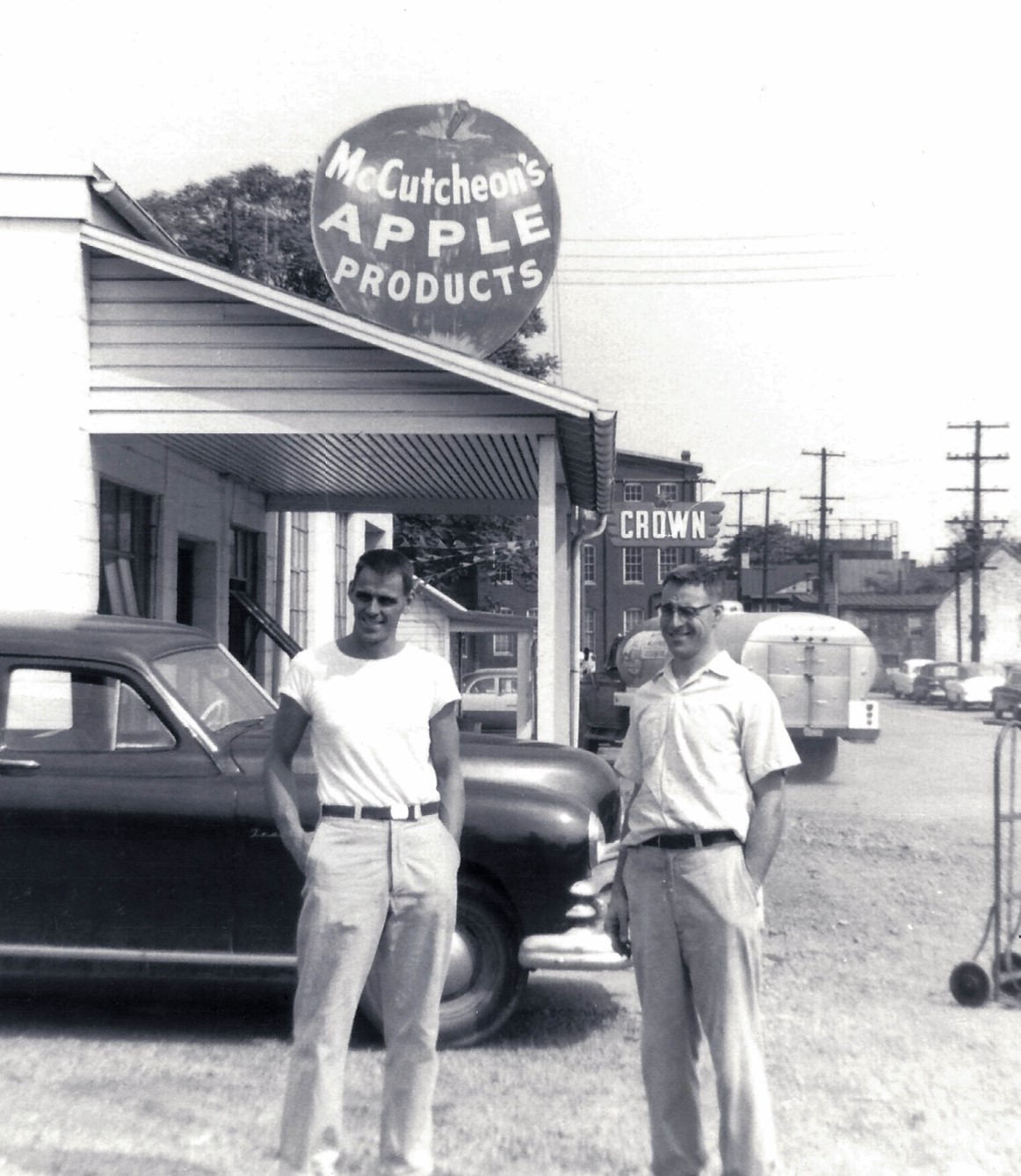
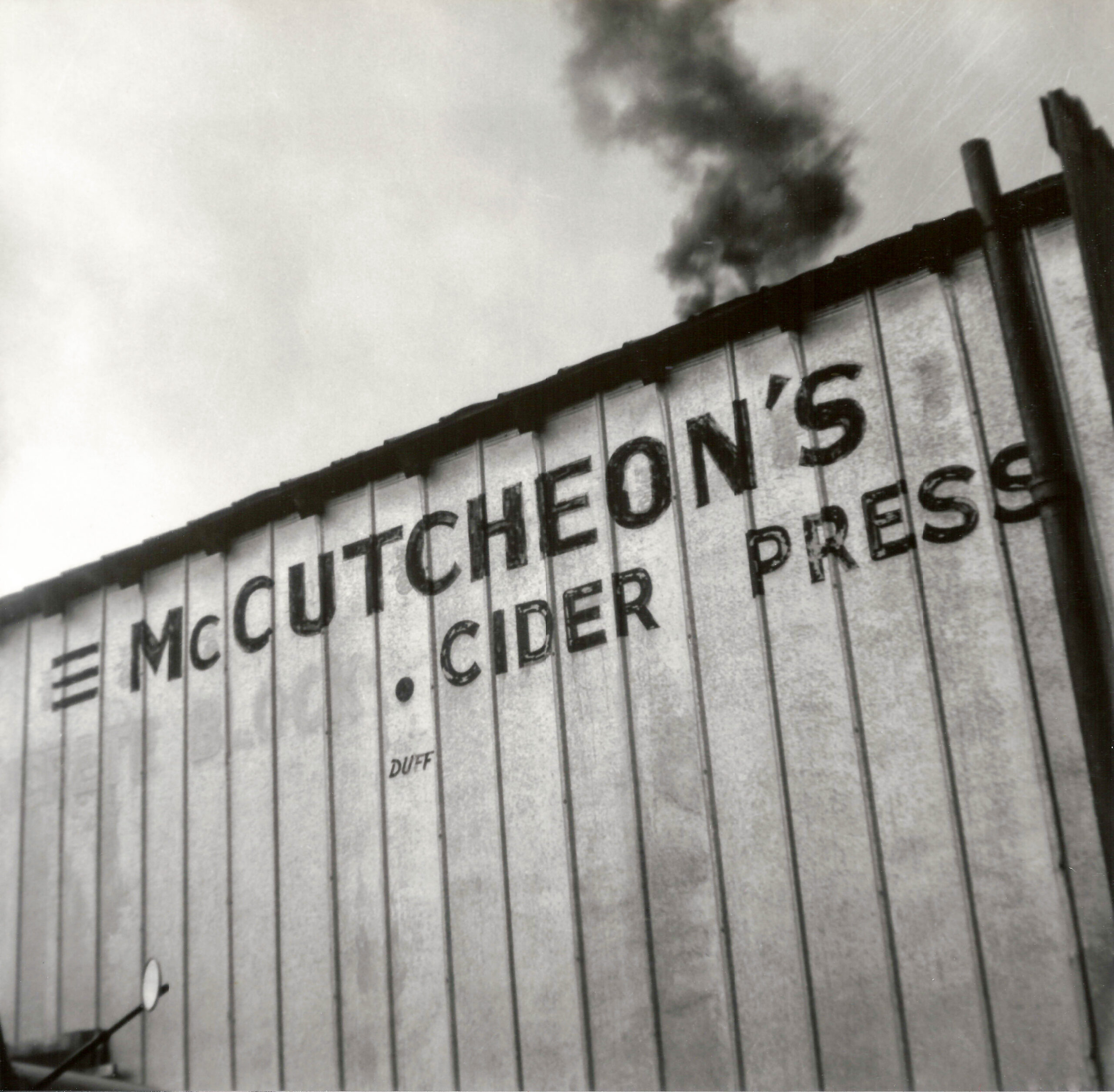
Before McCutcheon’s products could be found on shelves across the country, there was a $25 used apple press and a family determined to keep building.
In 1938, after retiring at the age of 80, William O. McCutcheon wasn’t ready to slow down. Together with his son Robert and daughter-in-law Helen, he purchased a used apple press and began custom pressing apples for local farmers in downtown Frederick. What started as a small family operation soon grew into a business producing its own apple cider and apple butter, laying the foundation for a Maryland manufacturing legacy that continues today.
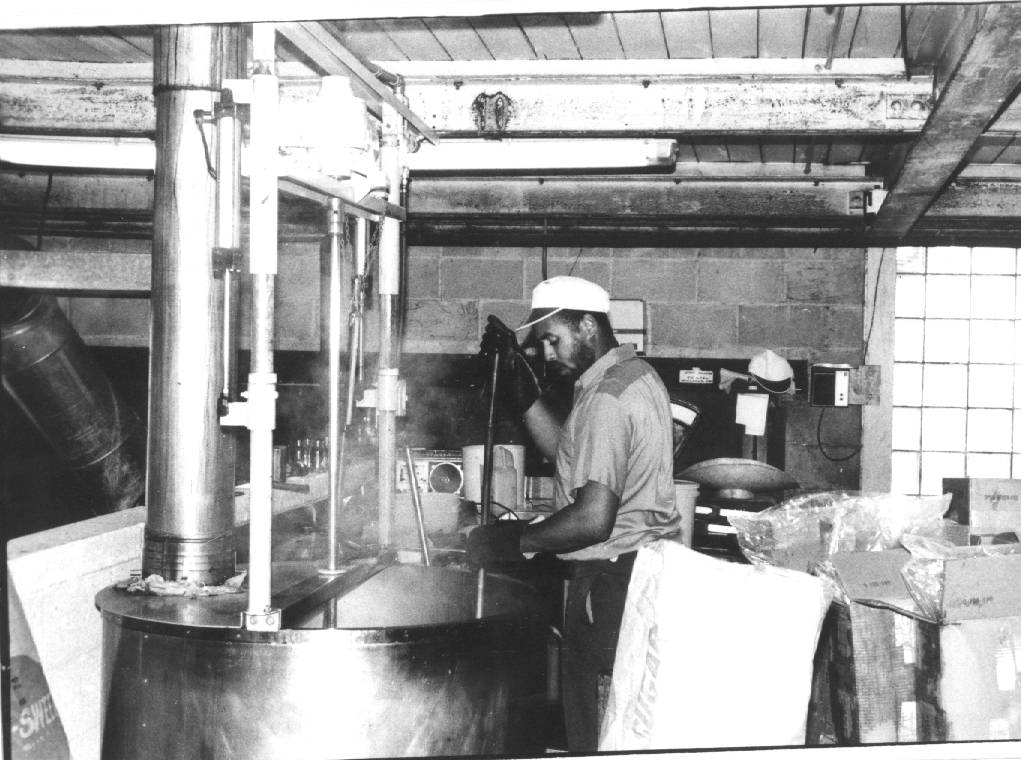
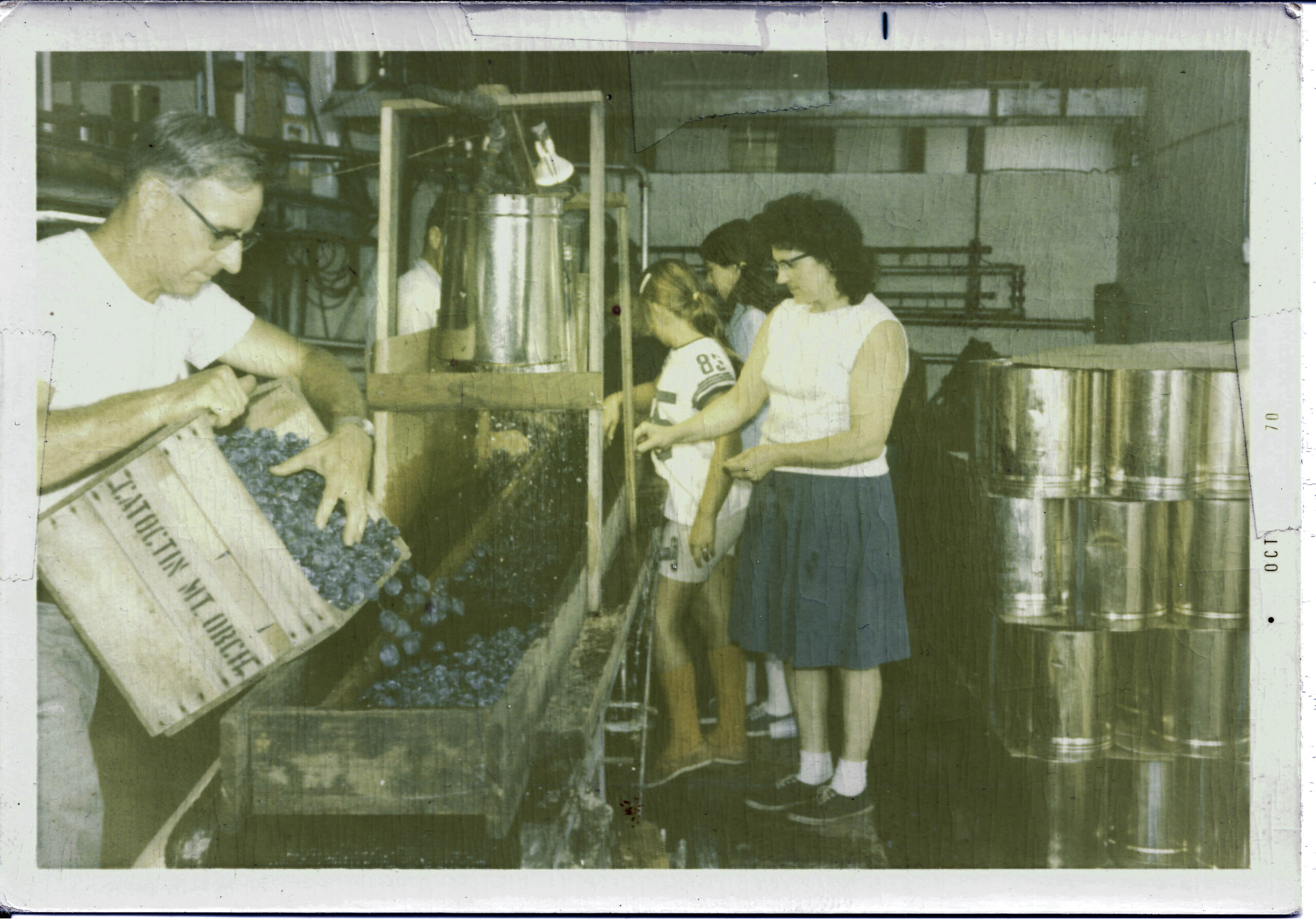
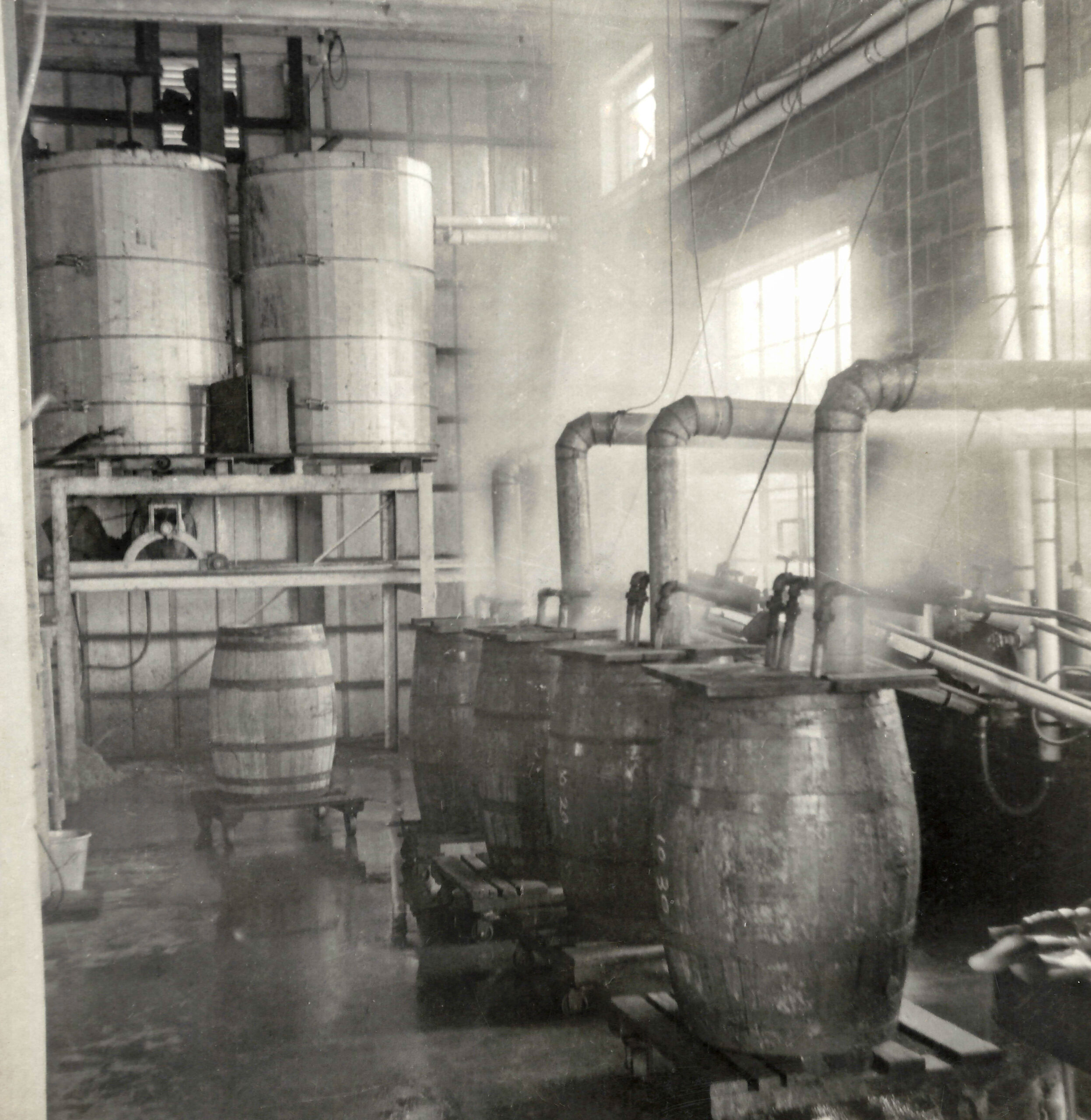
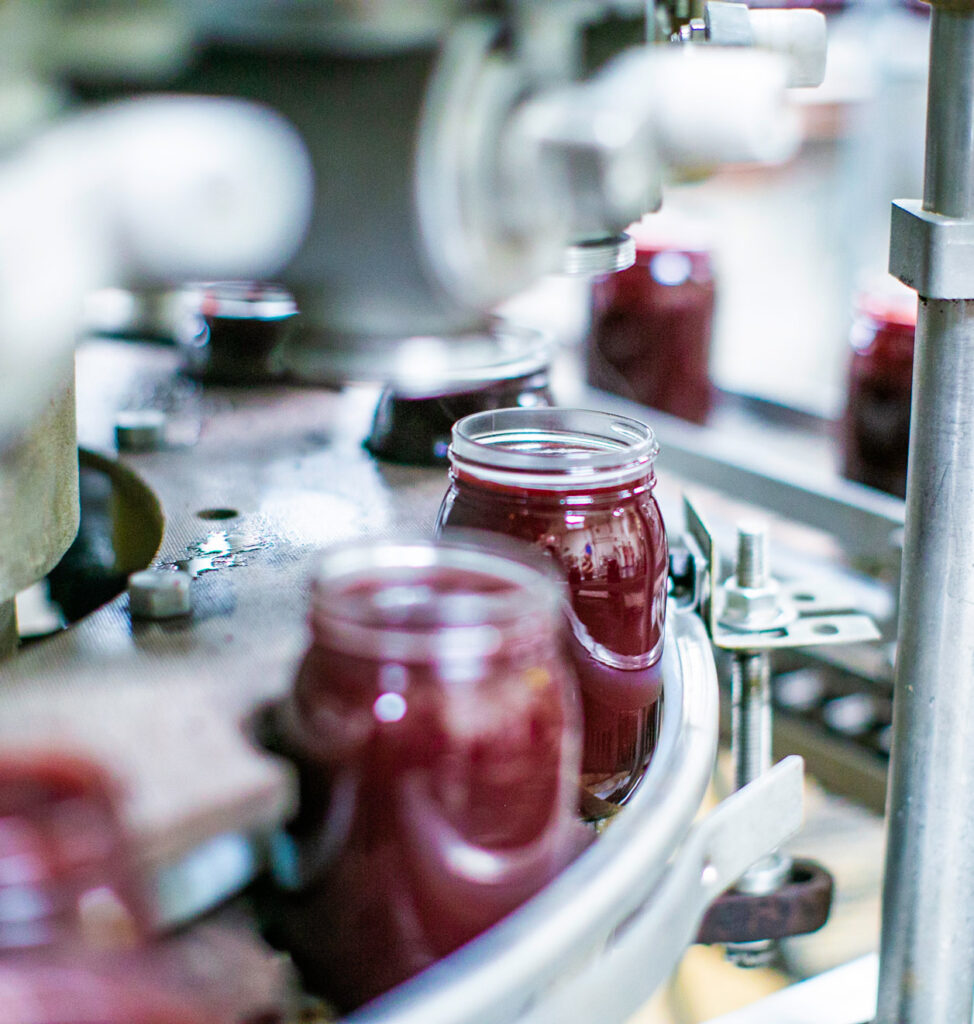
Nearly 90 years later, McCutcheon’s remains family-owned and operated, now led by its fifth generation. From its signature apple butter and cider to more than 300 specialty products, the company has grown from serving local farmers to supplying farm markets, independent grocers, and specialty retailers in nearly all 50 states.
As America celebrates its 250th anniversary, McCutcheon’s reminds us that some of the strongest manufacturing legacies begin with hard work, family, and a commitment to quality. Generation after generation, the company has continued to grow while staying true to its Maryland roots.
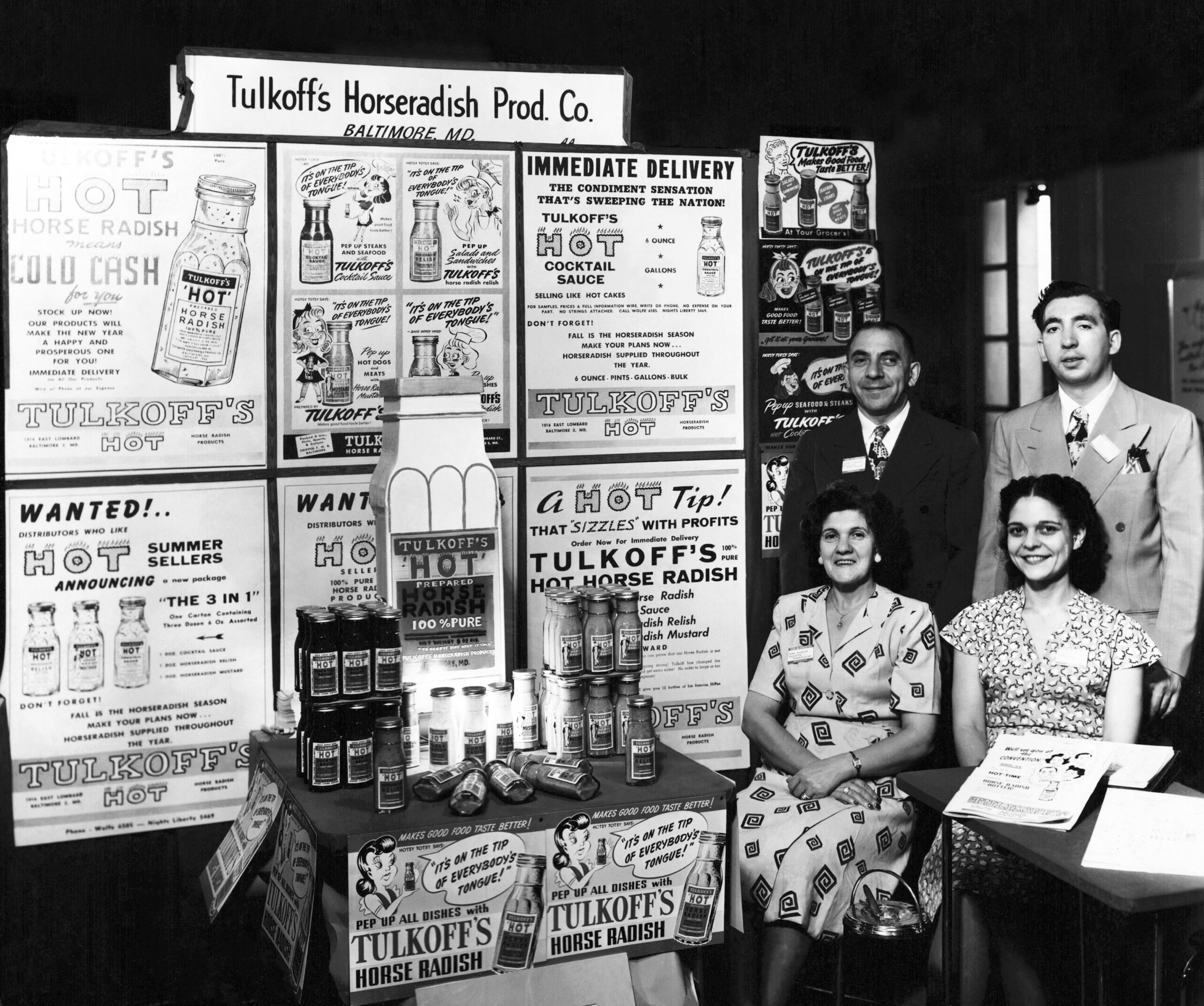
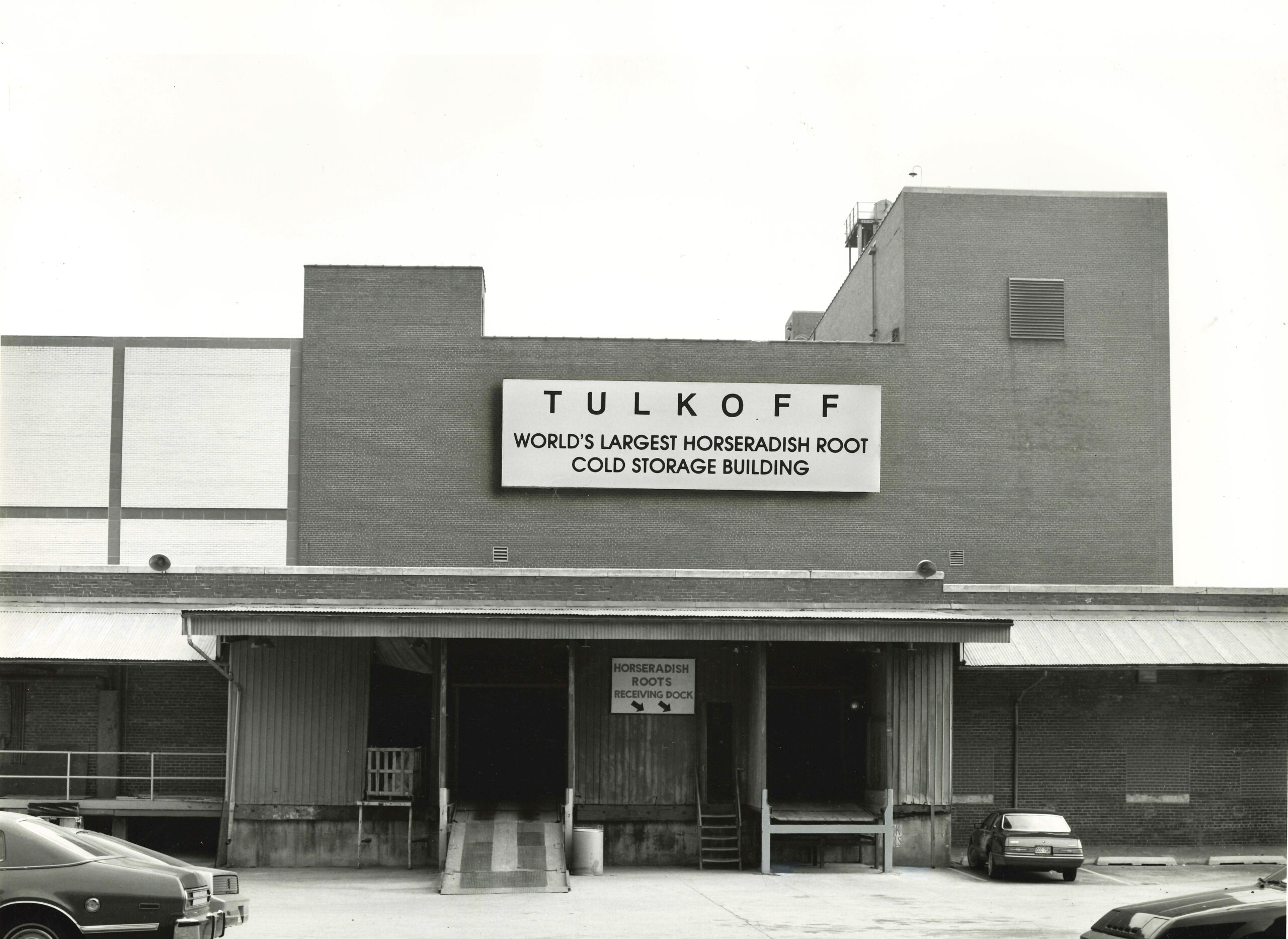
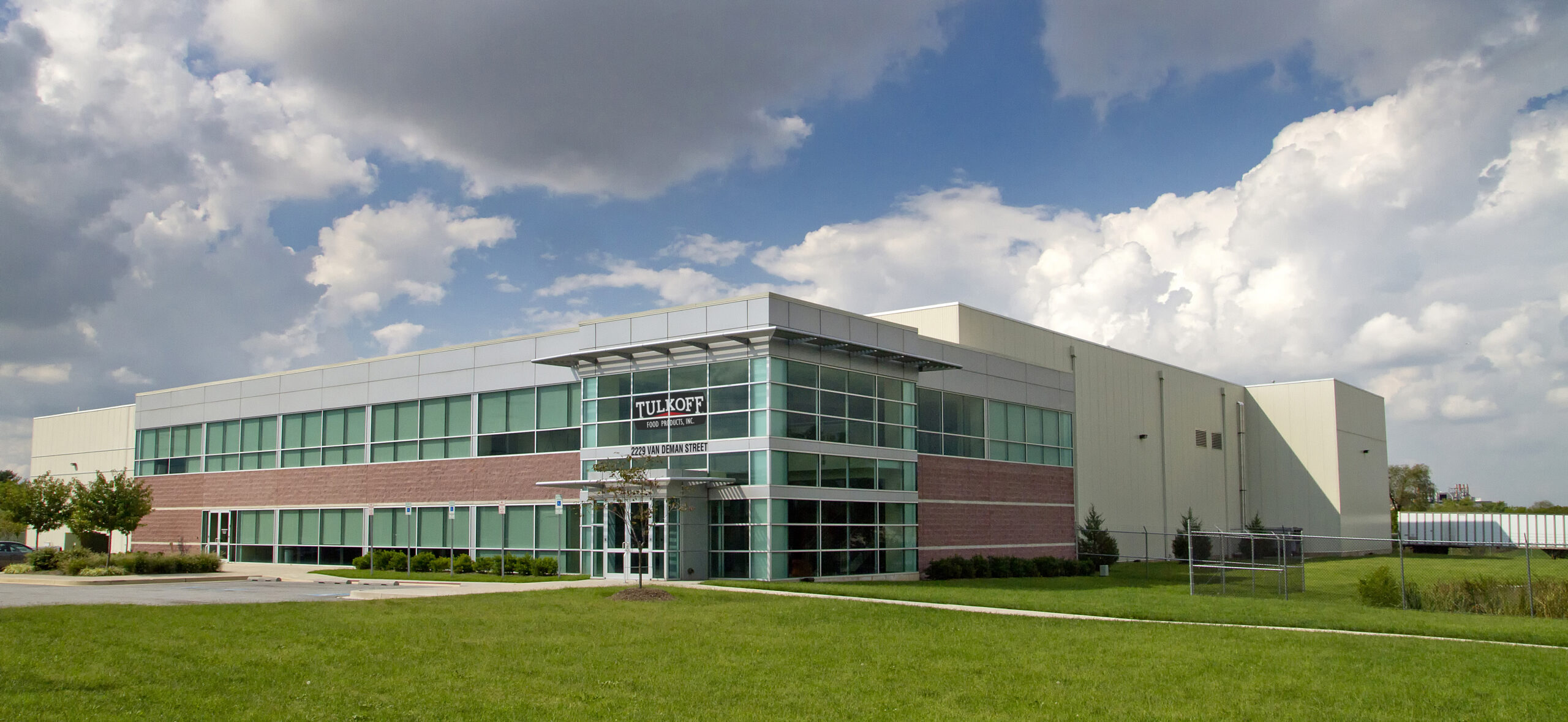
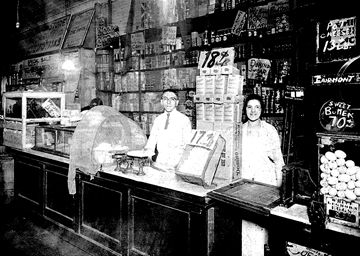
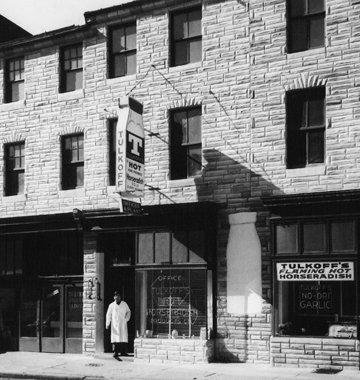
When Harry and Lena Tulkoff arrived in Baltimore in the early 1920s, they weren’t planning to build one of Maryland’s most enduring food manufacturers. They were simply looking for opportunity.
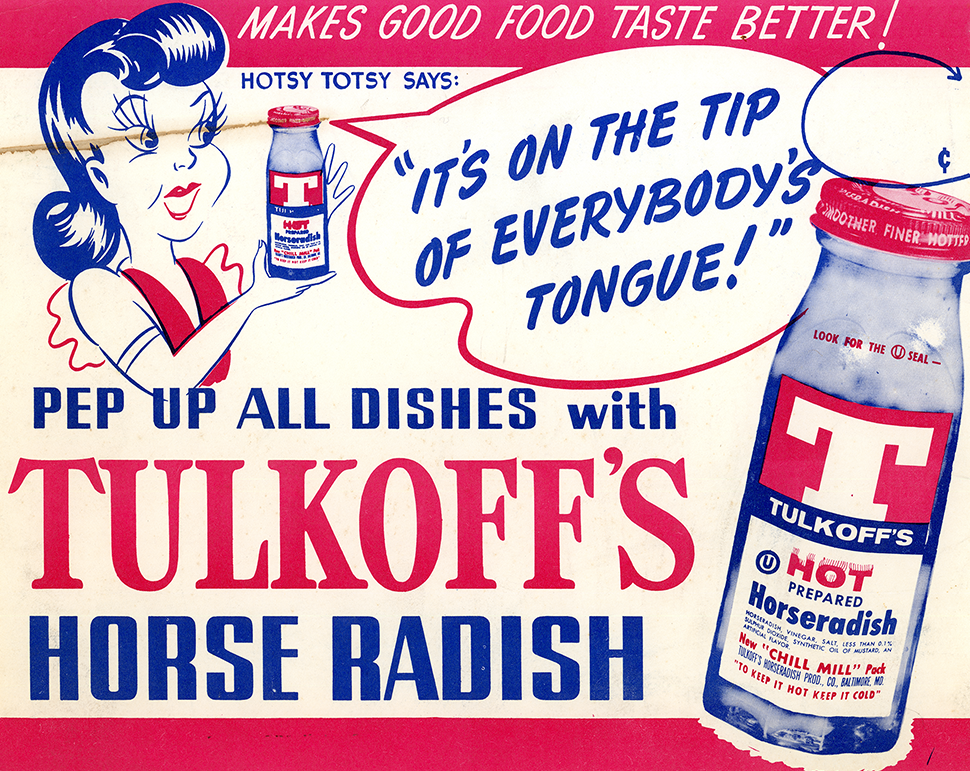
After opening a small storefront on East Lombard Street, the family sold produce, dairy products, and confections while steadily growing their business. Everything changed in the mid-1930s when Harry purchased a supply of horseradish roots and began preparing horseradish by hand. What started as a simple idea quickly gained local demand, transforming the family business into Tulkoff Horseradish Products.
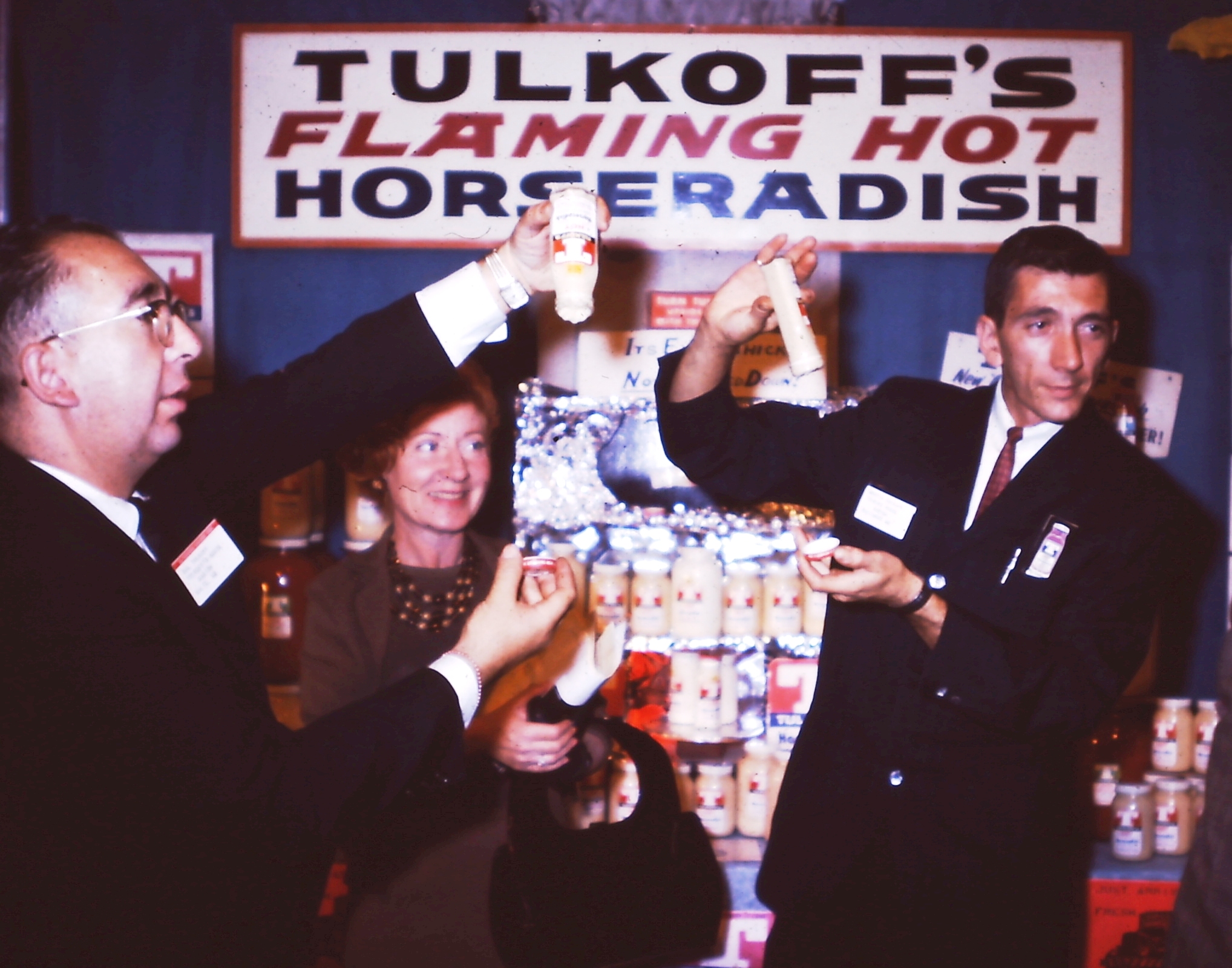
As the food industry evolved, Tulkoff continued to innovate, expanding beyond horseradish to produce mustards, relishes, sauces, and specialty foods. The company introduced Tiger Sauce in the 1960s, creating one of its most recognizable products. As demand grew, so did the business, leading to expanded manufacturing operations in Baltimore and continued investments in modern production.
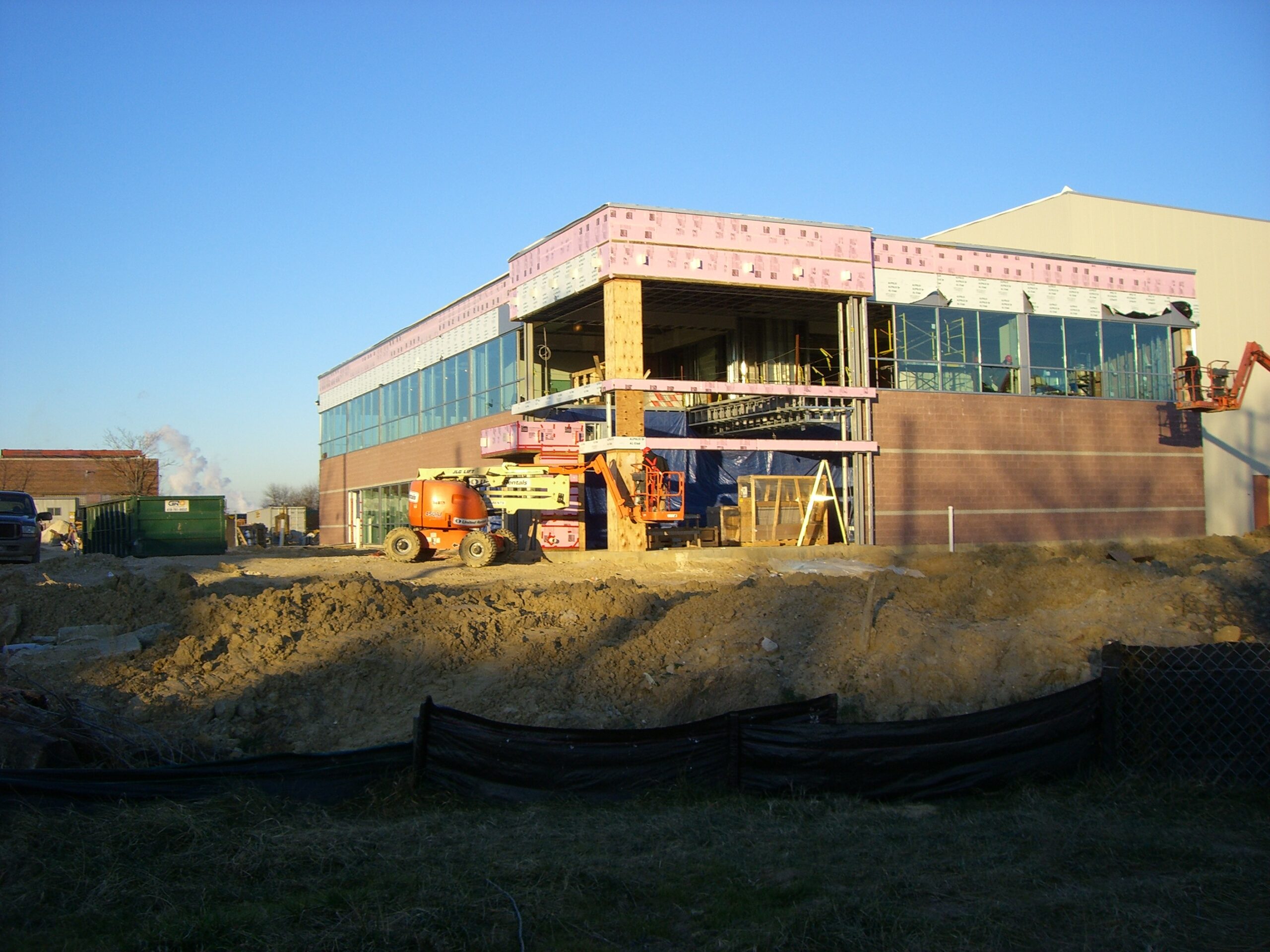
Today, more than a century after Harry and Lena first arrived in Maryland, Tulkoff continues to build on its legacy. Recent acquisitions and expanded manufacturing capabilities have strengthened the company’s presence across North America while its Baltimore roots remain at the heart of its story.
As America celebrates its 250th anniversary, Tulkoff Foods reminds us that Maryland’s manufacturing legacy has been built not only through innovation, but through generations of entrepreneurs willing to recognize opportunity, adapt to change, and keep building for the future.
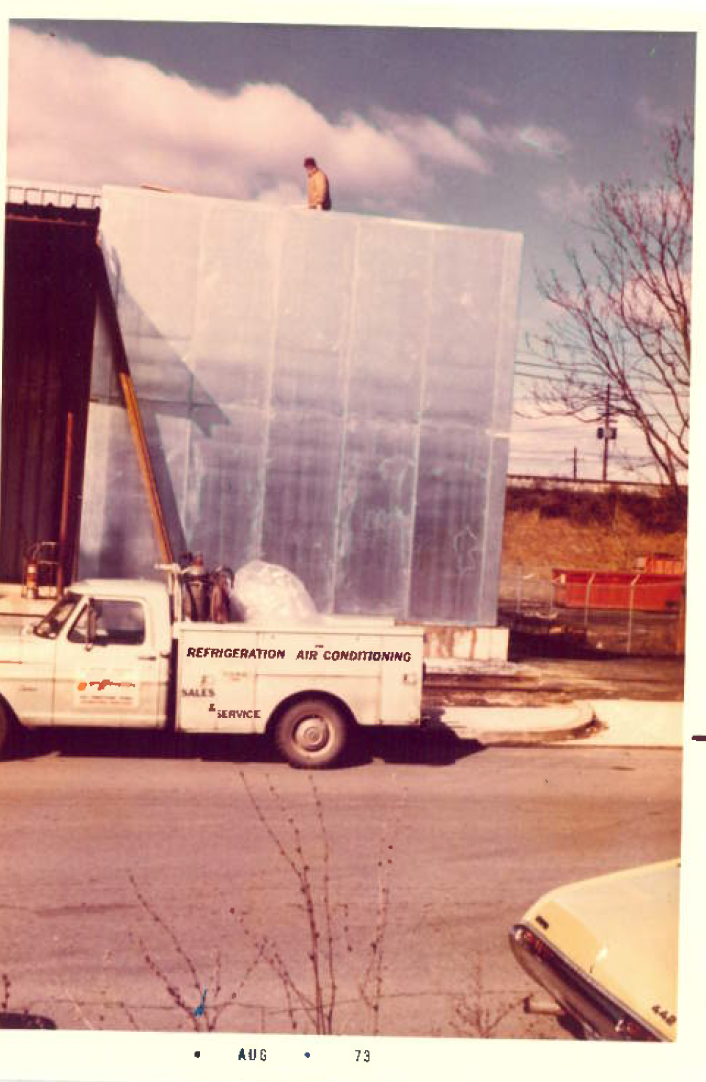
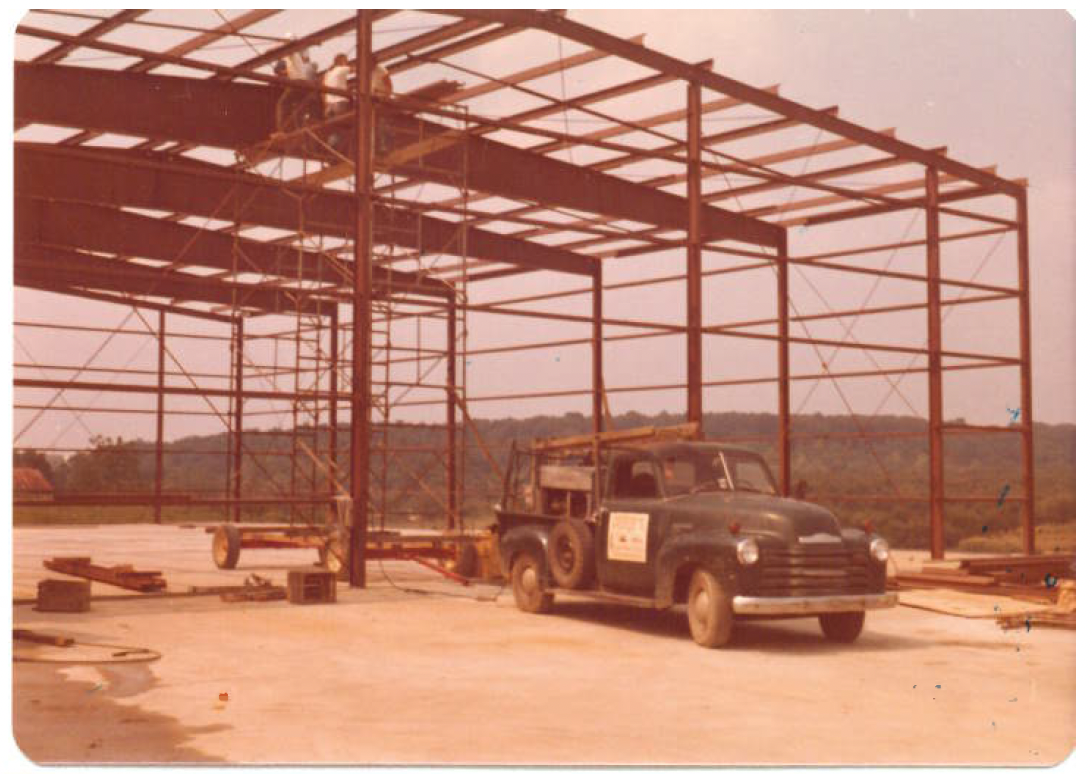
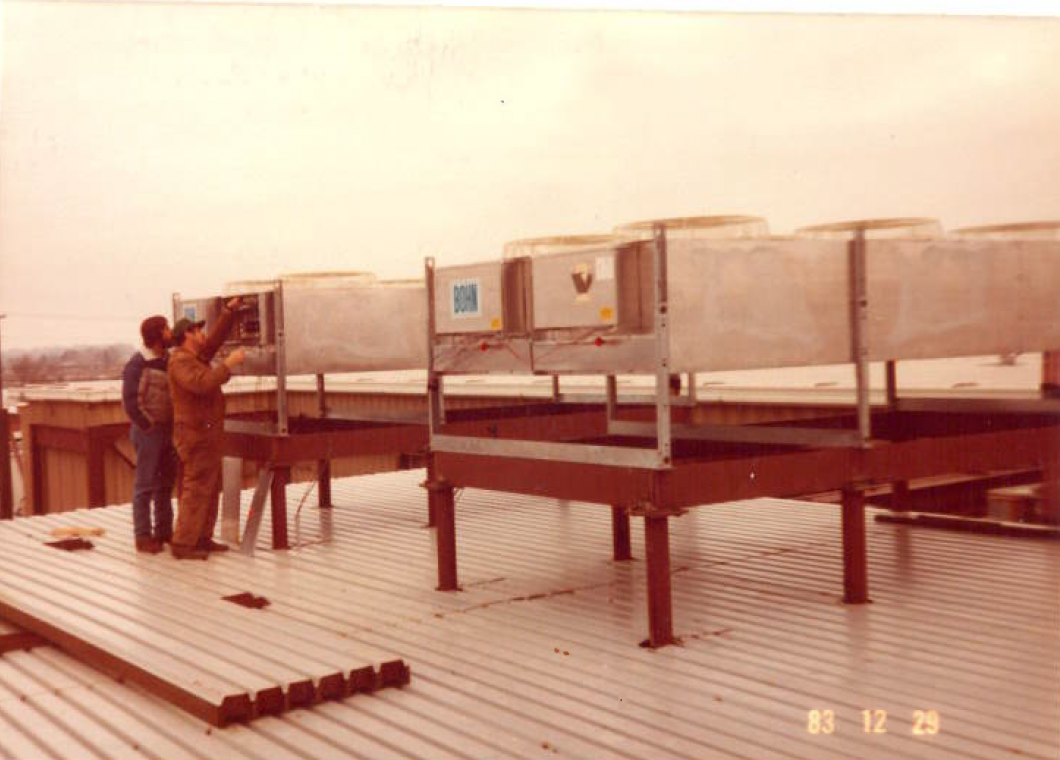
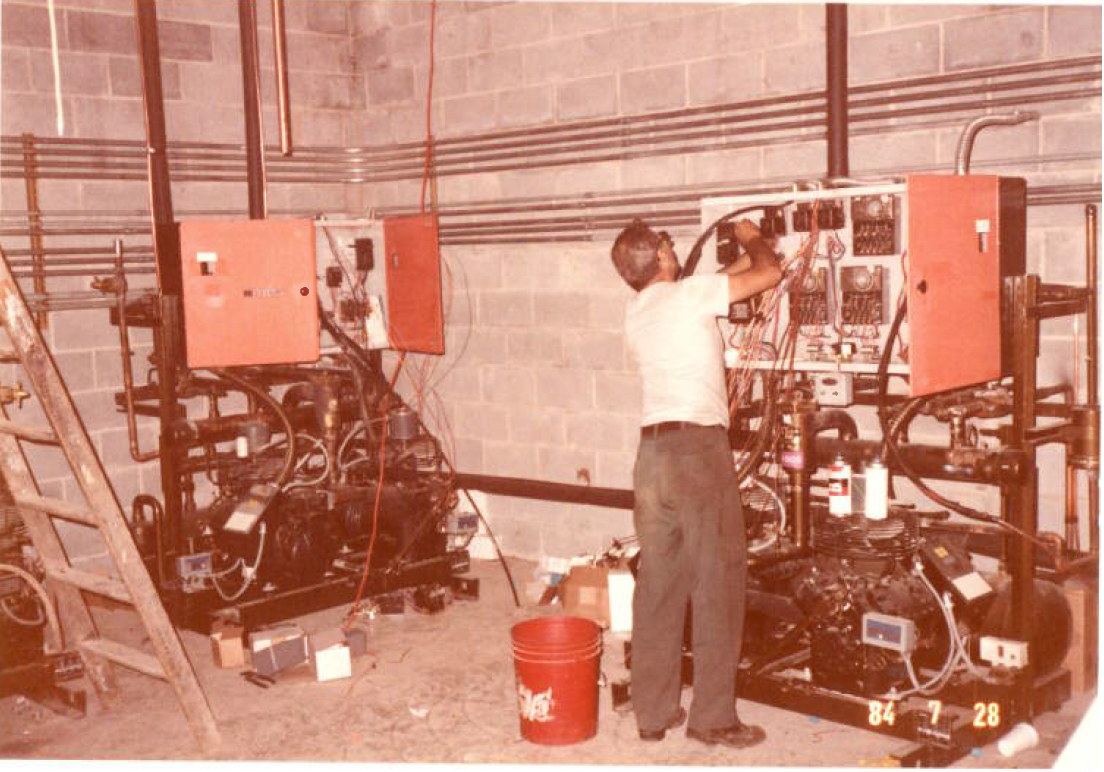
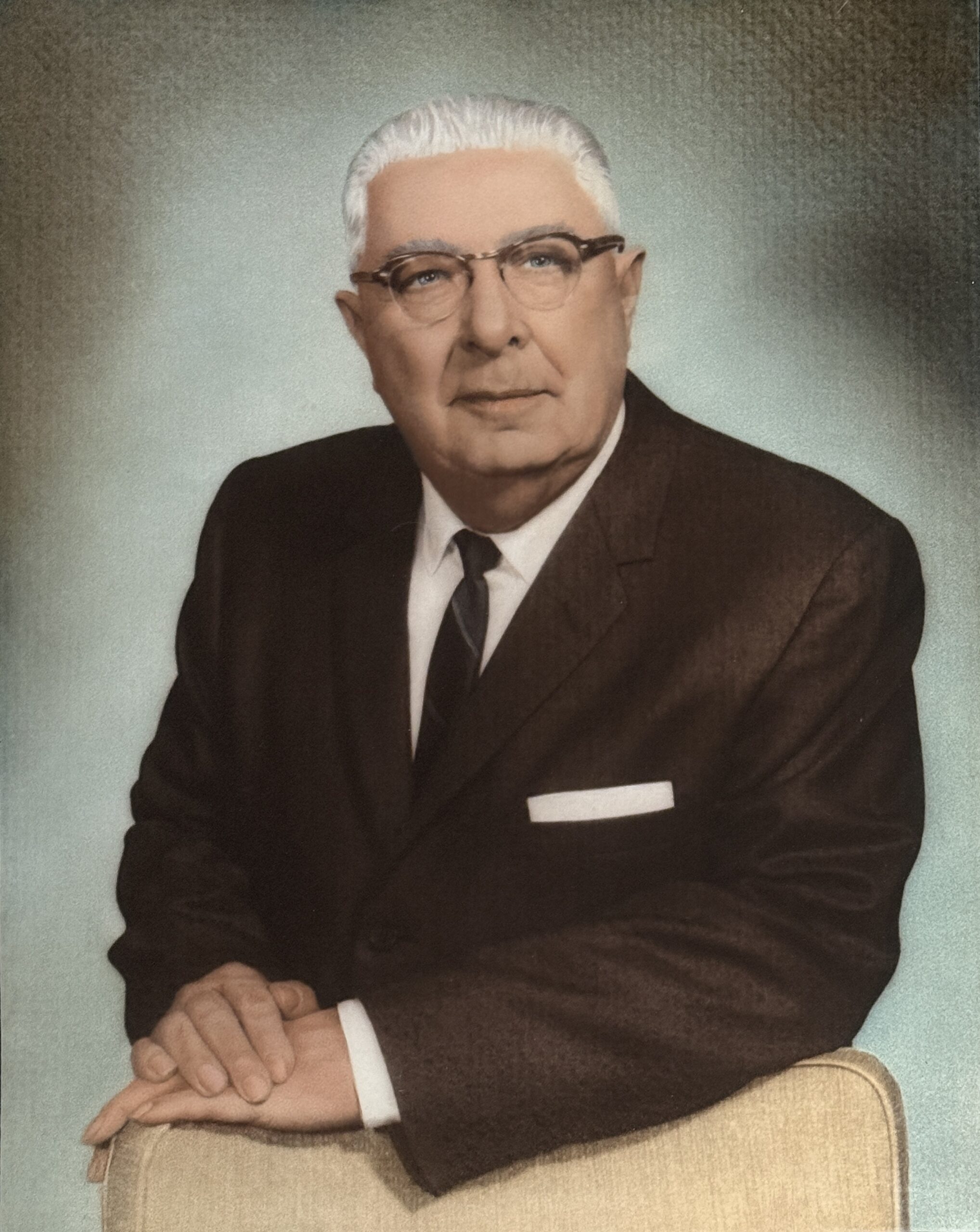
In 1909, Maurice S. Johnston was delivering milk through Hagerstown. By 1932, his path had taken a different turn. From the basement of his home on Mulberry Avenue, he began repairing and reselling refrigeration equipment, laying the foundation for what would become M.S. Johnston. Seven years later, he became an authorized York dealer, beginning a relationship that has continued ever since and today makes M.S. Johnston the longest-tenured York dealer in the world.
As the business grew, so did its roots in Hagerstown. In 1942, M.S. Johnston moved to a former Mennonite farm on Pennsylvania Avenue, the same property the company still calls home today. Maurice’s son joined the business as a service repairman in 1953 and eventually became its second-generation president. His grandson Michael, a licensed professional engineer in four states, later carried the company forward as its third-generation leader.
Today, that same Hagerstown campus is home to four divisions spanning commercial heating and cooling, commercial refrigeration, food service equipment, and sheet metal fabrication. And while the business has changed considerably since 1932, pieces of its history are never far away. Many employees have spent more than 20 years with the company, and a century-old refrigerator still sits at the retail counter, a fitting reminder of just how far M.S. Johnston has come.
More than 90 years after Maurice Johnston began repairing refrigeration equipment in his basement, the company remains rooted in the community where its story began. From kitchens and grocery stores to hospitals and businesses across Western Maryland, M.S. Johnston continues a tradition of craftsmanship and service built one generation at a time.
Share Your Manufacturing Story!
Are you a Maryland manufacturer with a story to tell? We want to hear from you.
Maryland MEP is collecting photos, milestones, company histories, and stories from manufacturers across the state as part of the Manufacturing 250 in Maryland campaign.